14 February 2022

Right and Wrong Women's Horrors


Right and Wrong Women's Horrors

by Kristin Battestella


Be she a grandmother, mom-to-be, or everything in between, these contemporary films represent the good, bad, and ugly when it comes to women in horror.


Decent!


The Manor – Ballerinas and birthday parties lead to distorted echoes and stroke scares in this 2021 Blumhouse/Amazon production written and directed by Axelle Carolyn (Tales of Halloween). Silver haired vixen Barbara Hershey (Beaches) doesn't want her family to see her diminish so she enters a grand historic home living facility where staff repeatedly ask if she is okay – ready to take care of everything even though she can handle the basics herself. Judith doesn't want to make crafts and be the fourth for bridge, but she has to accept that age slowly prevents you from doing what you love. Her grandson wants to take care of her at home, but no cell phone policies and hysterical roommates acerbate the arguing between the generations. Doctors discuss her treatment with her daughter only and tell Judith she is being dramatic about early dementia delusions. Thunderstorms, eerie dreams, foggy grounds, and dead birds accent the failing mind worry on top of fears of being watched in the night and manhandling orderlies. Compared to the usual monster in your face roars and unreliable fake outs, intriguing use of light and dark reveals the fragile struggle on what is real or perceived as well as the gnarly incubus a la The Nightmare giving or draining vitality. Family turns on its elders as the mother becomes the child, bound and drugged supposedly for her own good in a sadly realistic but pleasing to see ageism commentary. Even Judith jokes about diets, face lifts, and bathing in the blood of virgins, and she has a rebellious streak – wearing edgy graphic t-shirts, sneaking out, and not swallowing pills when she's forcibly returned. When not spotting wormwood in the garden and inquiring about absinthe or stashing a flask, Judith reminisces about smoking weed and dancing around the bonfire with her late husband. Unfortunately, crows and effigies under the bed escalate to creepy last words and lists of the dead as the freaky encounters move quickly. The realization that something is afoot doesn't underestimate the audience amid missing evidence and calendar clues. There's no time wasting rituals or elaborate explanations – just hair clippings, chilling chants, temptations, and sacrifices in the full blown horror finale. Why not end the suffering of the barely existing oldsters so you can dance under the moonlight? Granted, there are numerous genre cliches and obvious twists, but this taut eighty-two minutes expedites the realistic horror parallels, unique setting, and mature performances.


Had the Potential.


The Unborn – Wedding day tragedies and interracial lesbians fearing they're pregnant with a demon baby open this 2022 Tubi original. Onscreen gestation countdowns, ultrasounds, and heartbeats accent celebratory reveals before nosebleeds, nausea, jokes about not drinking or eating sushi, and nosy friends wanting to know how it all worked. Although her mother-in-law says it is a blessing, an ominous image on the sonogram slowly divides the couple. Our wife is inconsiderate and dismissive, belittling with what I should have said deflections and that's not what I meant strain rather than support. Check ups citing mere hormones or stress semantics and fetishizing men acerbate ghostly voices, scary eyes, automatic writing, Lilith mentions, and freaky accidents. Mom-to-be resents her obligation to carry because her wife is the breadwinner but pretends she freaked out over nothing during therapy. Jugular jabs and quality blood provide fine horror vignettes, but police inquiries force one to explain what we just saw in condensing, patronizing padding. Viewers can clearly tell this was written by a man – maybe even originally as a heterosexual couple – as the haggard horror of how tough pregnancy can be is never fully felt and a ridiculously monotone, overlong YouTube documentary spells out the Lilith connections for the audience rather than the person in peril. Halfway thru this ninety-four minutes, stereotypical psychics reiterate what the video just said, jumping the shark as the audience easily predicts the erroneous cops, exorcist jokes, and useless psychiatric holds. Trips to the cult ranch lead to laughably unrealistic twists and men tutting at the angry Black lesbian's foul language before she hits the culprit with their SUV and makes her pregnant wife run to the getaway car. The spirit passing from the womb incites unnecessary shootouts and interrogations tell us about what we just saw again with the satanic cult meaty also told rather than seen. Having a monster-esque transformation on top of the pregnancy changes may have been fine body horror, but all the Lilith hear tell remains just that. The masculine bad cop and his submissive Asian partner have an unexplored latent subtext amid their utterly pointless plot, and the Black family who had the faith to combat this demon influence completely disappears. Obviously suspicious creepers, kidnappings, and ghostly convenience begat contractions sending the possessions in and out and a mother strapped to a table who's supposed to deliver a baby on her own. Back and forth screams upon screams keep going and going before a five months later revived cult coda and direct looks at the camera. Derivative genre cliches and redundant detours hold the unique characterizations and real world women's horrors at arms length, and any diversity or provocative reproduction fears descend into the totally routine.


I Turned it Off!


The Victim – Michael Biehn (Aliens) stars, writes, and directs this 2011 eighty minute grindhouse tale co-starring his wife Jennifer Blanc (Havenhurst) and Danielle Harris (Halloween). Despite the rape and revenge summary, I was excited for the genre names attached. Unfortunately, this opens with herky jerky strobe credits and barely discernible newspaper headlines with no sense of context. You have to pause to even see anything clearly, and then the picture proper opens with sexy sounds and from behind roughness. It's initially unclear whether this is consensual or not, and the scene goes on for several disturbing minutes. After that, there's a ridiculously long driving montage, and with such a frustratingly bad start, I turned this off ten minutes into the movie. I expected horror favorites, not to be disappointed and immediately put off by every horror wrong. 


It wasn't planned, but it's fascinating how this trio all has “The” titles as if that is the only way we checkbox identify women – one at home, a breeder, and a victim. Hmph.


30 January 2022

It's A Living Season 2


It's A Living Season 2 falters with Sophomore Changes

by Kristin Battestella


Hostess Nancy Beebe (Marian Mercer), sassy waitress Cassie Cranston (Ann Jillian), divorced mother Jan Hoffmeyer (Barrie Youngfellow), and inept Dot Higgins (Gail Edwards) return to the Above the Top restaurant in the 1981-82 Second Season of It's A Living. The retooling as Making A Living for these fourteen episodes, however, struggles with broad new characters and uneven humor interfering with the topical women's wit.

Laughter and awkward seriousness are slow to introduce the series' changes in the “Boys of Summer” premiere as a flirtatious baseball team wants porterhouse steaks with a side of waitress. Of course our good girls don't go beyond good luck kisses – especially when the promises come from married third basemen – but the focus is on the team, not the ladies. A mugger is afoot in “Of Mace and Men,” but it's similar to First Season burglary plots and the questions about tear gas are treated as more important than the assaults against women. Scary statistics on robbery and rape are deflated by unnecessary jokes while the girls travel in twos so they are never alone in the parking garage. Their peace of mind is the most important thing taken from them, but the caught mugger wants to sue and tired robbery B plots come up again later in the season. Somehow, It's A Living takes all the wrong tacks when it's debut year had deftly touched upon the issues with wit and women's strengths. Groom John de Lancie (Star Trek: The Next Generation) calls off the titular union in “The Wedding” because he never got over Cassie, yet once again so much time is wasted on the sarcastic in-laws that this entry feels like a backdoor spin-off. Fortunately, a potential restaurant sale in “Off the Top” improves It's A Living halfway through the season. The threat of always being fired or out of work is already common here, but the want ads, employment agencies, and paycheck to paycheck struggles hit home. Our ladies realize they aren't qualified for much, and jobs have to fit around a mother's schedule. Longtime housewives don't have a lot to put on an application, and all the work you put in at home doesn't count. A superb montage with the four waitresses trying to impress the recruiters shows the sass and worry about what to do next, and this re-addressing of women in the workplace should have been the season premiere.


Although she's still a working divorced mom also going back to school, Barrie Youngfellow's Jan only features in romantic subplots but remains sensible when her ex-husband returns in “Second Time Around, Almost.” He wants to keep it casual, but she admits that is not enough for her, and such character honesty is one of the nicer episodes this season. Jan leads the ensemble at the racetrack after overhearing a customer's hot tip in “Horsing Around,” but she shouldn't have to share the winning big or lose it all lesson with the attempt to bolster new characters or via more dating mishaps in the “A Farewell to Arm” finale. Who knew Ann Jillian's tell it like it is Cassie was originally a Kansas brunette named Katie Lou? A former flame tempts her, but Cassie isn't sentimental and does the right thing even when receiving no spotlight of her own this season. Though reluctant in group activities, she takes charge, appreciating that her coworkers aren't threatened by her moxie. It's surprising that this It's A Living retooling under utilizes its best assets, and Marian Mercer as takes no crap hostess Nancy also has little to do. Her breezy frocks and harsh demeanor are on point when telling the girls to not cry over the threat of losing their jobs yet she's the one kissing the ballplayers. Nancy says the waitresses actually don't know a lot about her, and if they really cared about anything other than themselves, they would work harder. Despite the occasional kind wisdom, she threatens the girls should they tell when she's being nice. Gail Edwards' ditsy wannabe actress Dot's mouse in the restaurant and dead dog in a dog food commercial side plots should have been their own A stories, too. When Dot gets the lead in “The Garden of Countess Natasha,” the play is good but she is not and it's Nancy who tells her to forget the harsh critics instead of quitting. The cheery hospital roommate and nightgowns of “Strange Bedfellows” are ripped right out of The Mary Tyler Moore Show as everything goes wrong for Dot, and this time the riotous World War I veterans at the restaurant should have been the star story. At its worst It's A Living makes viewers wonder why sitcoms ever used A/B plotting if such storytelling has the wrong lead.

When not pretending to be blind for more tips, Paul Kreppel's demeaning piano player Sonny Mann plays 'Stand By Your Man' during a divorced women's conference. He belittles the waitresses, saying he'd rather die than be a waiter before touching and kissing women without asking and rightfully getting the keyboard lid dropped on his fingers. When a woman claims Sonny is her baby daddy in “All My Son,” any poignant messages are wrapped in the wrong humor, and jokes about the child being overweight ruin what should be moral growth before the easy 'it was all a scam' get out of jail free card. Sonny's favored brother is also in town for “Mann is Mann,” but his fiancee comes on to Sonny. Such erroneous A plot dalliances aren't as bemusing as the waitresses arguing about how to divvy the prize on a lost winning ticket, and Sonny receiving so much attention over the female stars is inexplicable. Louise Lasser (Mary Hartman, Mary Hartman) receives top billing this season as the often clueless Maggie McBurney, but she has no real introduction beyond throwaway lines about her late husband and grown children when her return to the workplace is a plot unto itself. Maggie's look also changes per episode with custom uniform designs and different hair lengths suggesting out of order airings that place her featured episodes near the end of the season. Being a sentimental widow remains her only character trait save for her contrived disapproval of her younger brother dating the older Jan in “Young Love.” This ninth episode makes Maggie very unlikable before the pleasantly awkward dipping the toe into dating of “Falling in Love Again.” Maggie admits she isn't ready to remarry in a fine, mature take that should have come much earlier in the season. Unfortunately, Earl Boen (The Terminator) is almost nonexistent as cranky, offended by leftovers chef Dennis Hubner before his spotlight in the eighth episode “Jealousy or Mildred Fierce” when his wife leaves him. We know so little about Dennis that this may as well have been a guest star.


Director John Bowab (The Facts of Life) helms ten episodes this season alongside seven credited writers – including multiple women – but too many hands in the pot contribute to the lack of cohesive humor in this sophomore shake-up. At twenty-one odd minutes per episode, it's tough to tell what was then too short or what is new syndication cuts. The laugh track is also loud compared to low voices sans subtitles, and the flat print is obviously not HD quality. Thankfully, the classic theme tune remains classy good fun, and new tone on tone purple uniforms contrast the black and white styles better than the more risque fashions in the First Season. Off work ruffles, boots, chokers, and peasant blouses accent feathered hair, classic cars, and listening to a ballgame on the transistor radio nostalgia. I swear though, Maggie's house set is young Sophia's Brooklyn apartment from The Golden Girls! Sadly, after a brief streaming stint that seemingly resolved any rights issues holding the series back, It's A Living is again unavailable on Prime and TubiTV – leaving retro network reruns and a full DVR as the rare option to watch. The short Making A Living re-brand has a few gem episodes, but the poorly written humor misfires and never uses the stellar ladies to their best potential.


18 January 2022

Youthful Comfort Movies 🙃


Youthful Comfort Movies

by Kristin Battestella


Put on your nostalgia goggles and swaddle yourself in these fanciful, often preposterous charmers! Good or bad, the comedy hi jinks in these once derided but now beloved and sentimental films of our youth have become comfort viewings from simpler times.


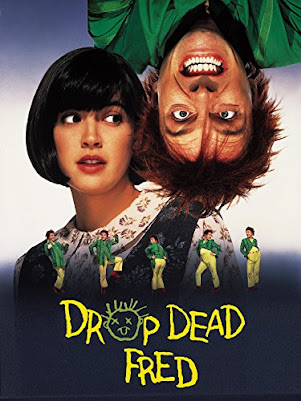
Drop Dead Fred – I love this 1991 romp starring meek wife Phoebe Cates (Fast Time at Ridgemont High), her domineering mother Marsha Mason (The Goodbye Girl), and the titular imaginary friend Rik Mayall (Blackadder). Despite the unevenness between the mature break up drama and the juvenile flashbacks, there's a certain innocence to the vignettes and individual character moments – chopped off hair, paint doused old ladies, shampooed carpet perils and all. Not to mention smoking while power walking, houseboat sinking, office dalliances ruined scene stealer Carrie Fisher (Star Wars) amid the doubly nostalgic nineties phone booths, dowdy styles, little girl pink and white bedrooms, and a vintage jack in the box. Between the overbearing mother, a philandering husband, fires, getting fired, and everything else going wrong, we understand the withdraw into a fantasy childhood world. Going without the stars early was not an option, but we should have seen all the past at the start rather than utilizing flashbacks that disrupt the momentum. Fortunately, the backstory endears the over the top rowdy as viewers see the wonder lost as little girls are made to bottle up their zest – disrupting the ability to face reality as an adult. Why confront the trauma or numb it all with pills when acting like a child is such devious grown up fun? The who's actually doing what wink at the destructive imaginary antics wraps the manifested problems and emotionally abusive relationships in cozy comforts. Sound effects and graphics are dated and some fashions garish, but the now relatively tame gross out humor is delicious fun thanks to Mayall's zingers and squashed head in the refrigerator. Fred's impish support alleviates the youth crying for help as parents punish instead of taking a look at themselves. Rather than mental healthcare, we neutralize our pain with destructive vices because as grown ups with responsibilities, we can't retreat into hi jinks without consequences every time we get scared. Adults may find the surreal dream sequence resolution either profound or preposterous, and kids will probably tune out on the mud pie mischief thanks to the underlying dark themes so it's tough to know who the audience is for this facing our fears lesson. Despite the pacing flaws, one must appreciate the rowdy as well as the tender, and this lighthearted protectiveness is more enjoyable than today's dark psychological trends. Ultimately, this is about regaining joy and cutting the crap out of one's life. “Be gone, Evil One!”


Empire Records – Everyday is Rex Manning day thanks to crop tops, short skirts, combat boots, head shavings, compact discs, and Gin Blossoms in this 1995 steeped slice of life. Liv Tyler (Lord of the Rings), Renee Zellwegger (Chicago), and Robin Tunney (The Craft) carry the independent record store versus corporate buyouts and damn the man anarchy as Anthony LaPaglia (Without a Trace), Debi Mazar (Younger), Ethan Embry (Can't Hardly Wait), Rory Cochrane (Dazed and Confused), and Maxwell Caulfield (Grease 2) clash over stolen receipts, has beens, shoplifting, and vinyl legacy. The stolen money and save the store underdog tangible isn't as important as the layered themes, cries for help, and pressure for these teens to get their messy lives together when everything after high school is still up in the air. Overachievers and drugs, virgin and bad girl reputations, slackers or skaters – it's easier to turn up the music and dance but fake funerals allow the ensemble to voice their fears. Unhappy coworkers become friends having a good time in this day where nothing happens yet so much happens. Cool sunglasses, drums, and motorcycles accent what looks like a neat place to work with colorful set design, store fronts, stairs, and rooftop spaces for visual interest, angst, and self-expression. Old credit card imprinters, cassettes, and record listening booths contrast then contemporary character styles – identifiable but unique rather than typical cheerleader, jock, geek. While of its time, the well chosen soundtrack reflects the characters and events in almost musical fashion, however editing and deleted or missing scenes are apparent as people and encounters seem important then go unexplained. The ending is typical with a silly rooftop concert that makes everything fine when throughout the film each of the characters expressly shout that nothing is actually fine. If you didn't see this then the tone may be dated or even downright wacky for viewers who weren't born yet. Thankfully for those that remember the nineties promise with CD changers, music videos, askew posters, and existential quarters glued to the floor as art this is a perfect time capsule. “Say No More (Mon Amour)” is also better than the drivel today, fight me.


Summer School – From the Texas Chainsaw Massacre classroom viewing and the sofa on fire party to the test drive crashes and teens drinking on the beach – there is quite a lot in this 1987 comedy starring Mark Harmon (NCIS), Courtney Thorne-Smith (Melrose Place), and Kirstie Alley (Cheers) that would not fly today. Director Carl Reiner (The Jerk) and writer Jeff Franklin (Full House) populate the eponymous course with slackers, a beach bum gym teacher, goofy field trips, saucy foreign exchange students, strip clubs, study bribes, surf boards, cute dogs, and more horror pranks. Shoulder pads, beach gear, and one earring styles maximize the eighties charm amid going to jail on roller skates, swearing, gestures, and raunchy innuendo both now tame yet then surprising for a PG-13 picture. Roll call introductions, lighthearted tunes, and peppy montages assure everyone has their absurd good fun as punchlines, visual gags, food, oral fixations, and performances accentuate the comedy rather than rely on today's gross out extremes. Serious issues such as family troubles, teacher romance, student crushes, teen pregnancy, toxic behaviors, dyslexia, and reaching for the youths the system lets fall through the cracks are touched upon as the kids themselves believe they are failures when they are capable of much more. Grades are not a reflection of one's potential, but not every educator is in it for the students and the underachievers must make strides against the smug jerks in their way. One can't expect the premise to make sense here – the number of students changes throughout, the big test doesn't mean much, and the parents are pleased with this education experience despite all the mayhem and the still failing grades. Fortunately, there's a certain then innocence and comfort to the ease and excuses. Nostalgic audiences can zone out and enjoy the preposterous or spot another goofy quip with each re-watch. Personally, I think of that “Tension-breaker. Had to be done.” scream often these days.


19 December 2021

A Christmas Carol (2019)


Thought Provoking and Mature A Christmas Carol (2019)

by Kristin Battestella


To allow himself rest in the afterlife, the deceased Jacob Marley (Stephen Graham) aides The Ghosts of Christmas Past (Andy Serkis), Present (Charlotte Reily), and Future (Jason Flemyng) in orchestrated a change for good in his soulless, corrupt business partner Ebenezer Scrooge (Guy Pearce). Scrooge's bitter ways effect the health, happiness, and welfare of his clerk Bob Cratchit (Joe Alwyn) and his wife Mary (Vinette Robinson), but confronting Scrooge's horrible life may not be enough to redeem the miser...

The 2019 BBC miniseries A Christmas Carol produced by Ridley Scott (Prometheus) and Tom Hardy (Venom) is a darker imagining of the perennial Charles Dickens tale with episodic chapters originally called “The Human Beast,” “The Human Heart,” and “A Bag of Gravel” airing stateside on FX as one three hour event. Director Nick Murphy (The Last Kingdom) and writer Stephen Knight (Peaky Blinders) obviously have more time to fill than the more traditional, idyllic, paired down tellings. Rather than the same old saccharin “God bless us, everyone!” these days viewers expect television to bring on the relatable Victorian bitterness. We often glorify the past, but this A Christmas Carol doesn't underestimate an audience intimately familiar with weighing every action by gain mentalities and who you know and how much money you have getting you anywhere in life uphill struggles, abuses, and humiliation. Urination, grave desecration, bastards and F bombs immediately set this adult tone before ominous winds, crows, eerie graveyards, and a frosty ethereal London 1843. Church bells, purgatory supernatural, and almost Shakespearean asides accent the six feet under coins on the eyes and no rest in peace as hellish forges, chains, and swinging coffins invoke a much more grim penance. Phantom sleighs dragging the chained behind lead to echoes between the counting house and the spirit realm. Rattling in the fireplace and cutaways to the point of view from an empty chair realistically lay the forthcoming between worlds – embracing the Victorian off kilter faerie parallel rather than just a sudden, mere holiday intervention as is often portrayed. Time is taken in A Christmas Carol with hand washing a la Lady Macbeth and ghostly versus guilt ticking clocks. Hypocritical analysis digs deeper than humbug archetypes, and great horror imagery sets off the familiar but transposed text delivered deftly and naturally without any try hard ye oldeth. Villainous silhouettes grow darker when we get the famous workhouses, prisons, and let them die disturbing. Shadows and black horses take the place of the locomotive on the stairs as other animal kindnesses born out of cruelty and hopeful lantern flashes contrast the creaking gate and ghostly door knocker. While most adaptations have a quick start or only run eighty minutes themselves, here it takes an hour before we even get to the Scrooge and Marley encounter. This A Christmas Carol simmers and broods, for these apparitions have been a long time coming with thumps in the night, groaning houses, clicking locks, and guilty consequences. Chilling reasons for that scarf usually around Marley's jaw become macabre shocks as A Christmas Carol takes the hallmarks of a story that's tough to do wrong and runs with the one on one encounters, twofer deliveries, and fiery flashbacks. Faulty subcontracts and bribing officials led to bloody workhouse disasters, gas explosions, and coal mine collapses while Scrooge passed the blame and forged those symbolic chains.


The refreshing script simplifies the Dickensian wordiness yet we do get some of the sardonic undigested beef quips amid self-aware glances at the camera and eternity spent in a forest of abandoned Christmas trees and forgotten childhood memories. An act of kindness said to be given to someone in pain is rejected as the abused perpetuate abuse, dealing in greed and people as commodities. Those scarred mentally and physically by the cruel, cost cutting overseers rightfully call upon revenge like a reverse It's A Wonderful Life orchestrating this spiritual comeuppance. Snowfall and ash in the air mix as other realms and childhood fears merge with violent canes, creepy singsongs, and pets caught in the chilling crossfire in a house that can't afford another mouth to feed. Hiding behind the bed curtains is used to frightful effect as A Christmas Carol shows what the book implies yet leaves nasty suggestions to the shadows. Hope, however, can be found small as a mouse, big as a camel, or even in fanciful book illustrations come to life to save a boy's mind from his torturous reality. Unfortunately, people are only worried about themselves. Gifts are just unwritten debts and unprofitable affections. These spirits force us to relive the darkest moments of the picture we paint so we may unlearn the ills that have shaped who we are. Here A Christmas Carol feels timely and modern, layering the past with disturbing familiar faces and real world terrors that harden a boy's heart and break our Christmas spirit. Magical deflections, pleas to go home, and facing the horrors combine for superb duality and visualizations as children may or may not see spirits and two of the same character appear in the same place at once. Loom factories become massive calculators in an industrial fantasy hitting home the cold hard numbers. Tragedy for many is opportunity for the few, and that's just good business to see pounds instead of people and exploit their weaknesses accordingly. Shameful humiliations done on Christmas Day are born not out of desire, but agonizing experiments testing the solemn limits of what good people will do for money. Viewers contemplate how far A Christmas Carol will go in examining the the value of human virtue, and Merry Christmas greetings are said for all the wrong reasons – justifying the prayers, warnings, and curses that one day the truth will look us in the mirror. Mining survivors unite in memorial choirs, and the poor make up the difference with happiness and love instead of itemizing priceless intangibles. Halos at the altar suggest salvation, but admitting regret or that love came too late to stop hatred isn't enough against chilling figures in the dark, haunting drownings, cracking ice, and death shrouds. Tolling bells and heartbeats announce the fatal consequences as we accept our deserved fate. For all the spirited meddling, it is up to us to change and act for the benefit of others without expectation of reward as A Christmas Carol concludes in full Dickensian compassion.

The First Chapter of A Christmas Carol is excellent as is the second. However, when expanding such a short novella, the balance is bound to be uneven. Here Christmas Past is featured for almost an hour and a half – leaving twenty minutes for The Ghost of Christmas Present and only ten minutes for The Future. After such depth with The Past, viewers wonder why Andy Serkis just didn't play one composite spirit? Upon moving on from him with only forty-five minutes left, suddenly this A Christmas Carol is rushed, running out of time, and on the same pace as any other adaptation. Onscreen Christmas Eve 1843 openings don't match Marley's 1842 grave marker and the supposed seven years since his passing, but nor do the 1851 death dates. The melancholy focus will tire some audiences, yet the quick finale feels like this should have been longer – a four hour, two night event. All that Past just opened Scrooge up so The Present can show warmth by making him wear a scarf and tinge his heart in a third of the time? The often excised Ali Babi brings a dash of childhood wonder into such grim, but making The Ghost of Christmas Present a woman to soften up Scrooge negates the progressive gender change and defeats the purpose of ditching young Scrooge's for love or money choice. While losing the seemingly essential festive Fezziwig works wonders, the exclusion of eavesdropping on Nephew Fred's is a missed opportunity when you've made his mother The Ghost of Christmas Present. The Past repeatedly tells Scrooge this is not a game – long after Scrooge stops making passive aggressive asides – but Fred's mocking his uncle and Scrooge's family resentment would have fit in well with this bitter A Christmas Carol. Viewers begin to notice famous wording and elements missing. Did we skip an episode? Did the editor loose a reel? My favorite moment with Ignorance and Want is also excised when the decrepit child motifs would have fit these acerbic themes, and the casting lots on the bed clothes bargaining is another profiting on death horror that is surprisingly absent as if the writers simply didn't finish adapting the fourth stave of the book or the production plum ran out of time and money. At times A Christmas Carol doesn't seem to trust what it has in these exceptional performances and the timeless source material, adding in extra dialogue when looking at the camera directly implies the fourth wall is already broken and the spiritual work is coming for us next. Some truly good or innocent and in tune characters are said to see the usually invisible Scrooge and company – a haunting provocation wonderfully bringing this seeming radical A Christmas Carol right back to Dickens, for “I am standing in the spirit at your elbow.”


Occasionally Guy Pearce (Brimstone) looks top hat debonair as Ebenezer Scrooge, but the greased hair, liver spots, curled lip, and scratchy voice are look foul decrepit to match the black ink said to run through his veins. According to Scrooge, gifts are falsely sought and dressed in ribbons to create artificial happiness and fake grins. No one really means their tidings of joy, and the December 25 dates, wise men, and snow in Palestine “facts” are just more perpetuated lies revealing who we presume to be and who we really are on Christmas or any other day. If such yule transformations were true, then why aren't we such lambs every day with one day of misery to say what we really mean? Scrooge remains isolated in his office, looking out his window on the noisy world as time is taken for his extrapolated soliloquies on pretense and humbug. However, even the camera pulls back when he approaches, recoiling at his despicable holiday honesty. Scrooge is obsessed with counting, an OCD itemizing when he's frustrated by poor fools and pesky specters. After talking to himself and almost missing Marley, Scrooge is angry at the deceased's appearance, defiant, and regrets nothing. Although put in his place early with scary past confrontations, he uses his history to justify why he is this way but not that he needs to change. Shrewd Scrooge buys liquidating business under price before selling them at true value and smiles at the wheeling and dealing done in his prime. He even tells The Ghost of Christmas Past to write off a new coat as a business expense if subjects keep clawing and crying on his robe. Repeatedly rationalizing every profit over human cost and exploiting all opportunities despite any anguish, Scrooge revels in dangling the keys to his safe before the desperate. Once defensive and refusing to look, he grows ashamed of his actively cruel behavior in an excellent dual performance contrasting past and present Scrooge side by side. Scrooge practices positive greetings in the mirror but looks more creepy doing so. He doesn't know how to change even if he admits he may do things differently if given the chance, for it was his own innocence sold that spurred this solidarity with money. Scrooge regrets and apologizes, trying to break the spirit rules and interfere yet he refuses redemption. He accepts he was wrong and deserves to not be forgiven as softer hair and nicer skin suggest his revitalization. Scrooge runs through the street like George Bailey, closing his business and giving away money. Payoffs won't make everything right but he has to start being a better person somewhere. Don't we all? Although I wish we heard some of the traditional wording from him – and I want to make his long dress coat – once again I ask where the awards are for Guy Pearce. Sometimes, he also looks like Sean Bean here. I hadn't noticed this before and now I demand they play brothers in future yearly gothic holiday adaptations. Van Helsing, Jekyll and Hyde, yes please. Pleasepleaseplease please!

Instead of just saying he sat beside Scrooge and tried to reach him, Stephen Graham's (This is England) restless Jacob Marley has much more to do. Marley anchors the transitions between counting house and underworld as the realms bleed through like a double negative. He wants his own absolution and needs Scrooge to get him such Clarence-esque wings, deepening the potential penance via his own encounters with the Ghost of Christmas Past. Anguished Marley thinks he'll be stuck in purgatory forever if his redemption hinges on Scrooge. He believes their reality was a choice, also appearing after the spirits to admit how wrong they were in life, and it's fascinating to see his realization as the culmination rather than the impetus of A Christmas Carol. Andy Serkis (Lord of the Rings) looks like an undead, ancient Santa as the Ghost of Christmas Past – a cranky minder of souls perpetually burning forgotten holiday hopes. The character also appears as the evil Scrooge Senior in pure horror torment as well as the literary friend Ali Baba in bittersweet moments. His eerie hood is not the sentimental sprite we expect, and the dried wreath on his head carries a crown of thorns, Christ-like innocence lost. Instead of the distinguishing cap, a zoetrope hat casts past shadows on the wall in an excellent visualization of the then-new to see the old. Weary over Scrooge's excuses, The Past sends progressive Ghost of Christmas Present Charlotte Riley (The Take) in the guise of sister Lottie Scrooge in a lovely change again deserving of much more than repetitive family exposition and narrating already seen actions from characters that could have said everything themselves. Logical Lottie understands Scrooge's past pain, combining the scientific and sensitive to confront Scrooge before the mouth sewn shut, grave digger-esque Jason Flemyng (X-Men: First Class) as The Ghost of Christmas Future enters tolling a broken bell. He's said to be the most terrifying of the spirits and the one who ultimately decides Scrooge's fate, but unfortunately, he doesn't really appear to do anything but provide the disturbing Tiny Tim fate. The Past had equally frightening moments, and The Future merely disappears as Scrooge ultimately amends on his own.


Joe Alwyn (also in Mary Queen of Scots with Pearce) doesn't really stand out for me among the numerous lookalike blonde boy band type actors abound these days. His Bob Cratchit seems somewhat young, weak, and ineffectual, but that is fitting for an overworked father trying to keep his meager family together. Scrooge thinks four lumps of coal is more than reasonable despite his clerk's frozen ink and continues to rag on him for a word misspelled once five years ago. Exasperated Bob insists he doesn't get angry and do his work perfectly to spite Scrooge. He doesn't hate his employer and remains kinds to Scrooge, asking if he is himself when they have such surprisingly frank conversations on this peculiar Christmas Eve. Bob has to toe the line between passive aggressive asides and really talking back or standing up to his boss. He tells Scrooge he knows indeed how precarious his situation is, making us wonder why “situation” as synonymous for “job” fell out of terminology when the family to feed or ill health reasons why one toils should be paramount. Vinette Robinson's (Sherlock) Mary Cratchit is frazzled and snippy, making excuses to her husband and sketching stories for Tiny Tim because they have no money for books. Only having two little Cratchits and a relative aptly named Martha tightens the familial focus, and Mary resorts to terrible secrets and forgoes her pride in a desperate need to save her son. She prays to be forgiven for what she has to do and asks Jesus to turn his head over such blackmail and lies. The holiday means Mary has to revisit one terrible Christmas every year, repeatedly going outdoors rather than face the congested weight and manifested guilt as the spiritual influences come full circle. Rather than then the usual poor but happy brevity, A Christmas Carol develops The Cratchits as conflicted people, embodying how the one who has to power to alleviate their suffering can cause more oppression without having to lay a creepy hand on anyone.

The titular icicle script ekes out the ghostly etching with a cold nib to match the frosted windows and meager candle flame frigid. Snow abounds alongside carriages, street lamps, sleighs, ice skating, and crowded streets. However, there are precious little signs of Christmas in A Christmas Carol. No holly, few wreaths or plain garlands, no old fashioned merry, and the only jolly comes in brief carol notes and fiddle melodies cut short. While the night time blue tint is easier to see, the over saturation may be intentionally noticeable and otherworldly. There are also some unnecessary swooping pans over the cobblestone streets but fortunately these are only used early on to set the Londontown bustle versus the paranormal underbelly. Stage-like blocking, lighting schemes, and careful attention to detail visualize characterizations with gleams of light shining through the windows as natural, hopeful rays or framing dark silhouettes as needed. The counting house office is divided between a brighter front and a darker back office with a wall of ledgers between rooms that the clerk must repeatedly go around to talk to Scrooge. Intercut foreshadowing between worlds leaves onscreen space for characters on another plane, subtly establishing Scrooge and Marley's partnership even if the men are technically not together in the same scene. Echoing footsteps, bells, chimes, and creaking invoke period as well as horror amid hellish red fireplaces and disturbing imagery. Pox marks and sullen pallors match the tattered gloves and shabby bonnets on the poor while slightly more refined styles set the wealthy apart with top hats, ascots, waistcoats, pocket watches, and frock coats. A Christmas Carol looks the early Victorian part without relying on the expected women's silhouette thanks to fantastical cloaks, steampunk touches, and choice special effects. Dark upon dark schemes set off the horror visuals and cave ins as the fog and frigid grow inside as well as out in the largely empty interiors. Groaning walls and a growing bed are ominous without being overbearing. The optical tricks are simple with slow zooms or camera cuts to where a spirit might be, leaving the chill up the spine carried by one's looking over his shoulder and frightful reaction shots – as the scares should be.


Certainly there are more genteel family friendly adaptations of A Christmas Carol, and this decidedly darker spin won't be for those seeking any lighthearted Dickensian comforts. It also takes planning to settle in for the whole three hour block stateside. Although the chapter title cards are retained and once we're on this retrospective journey it's tough to stop, having had the original UK episodic format would solve the dreary, dragging complaints. I watched this multiple times to pause and take notes, and there are more insights the more you watch. Despite an uneven weakness rushed in the latter half, the redemption arc fits this darker tone. Here there's no overnight exuberance, and it makes the viewer consider how fast and superficial other interpretations now seem when the longer television format allows for such grim, thought provoking extrapolation. It leaves one wanting more of this A Christmas Carol, and it's unabashed look in the mirror is watchable beyond the holiday season – paralleling the words herein to be the best person we can be daily rather than just faking it at Christmas.


27 October 2021

Fiery 80s Chillers 🔥


Fiery 80s Chillers! 🔥

by Kristin Battestella


These early eighties frights mix fire, brimstone, kills, and chills for nostalgic entertainment, bemusement, and scary extremes.


Don't Go in the House – Rumbling fires, intense heat, garbage incinerators, and dangerous explosions set the fiery mood for this 1980 psychological chiller. Askew angles, shabby wallpaper, and a sullied manor in disrepair carry disturbing childhood echoes while natural sounds made sinister and simple things like lighting the pilot light or longing looks over the matches create characterization. Time is taken for silent gasps, repeated screams, and hearing voices. Our dead mother won't wake up, and her adult son is finally able to play the groovy music as loud as he wants, toss the doilies aside, and put his feet on the furniture. The juvenile bedroom is too small, and the pathetic slow burn escalates to creepy flashbacks of being held over the flame. Mom enjoyed taking out the man leaving on her boy and burning the evil out of him. Today movies are always so up up up without this shock and relief roller coaster to tug our feelings. The old fashioned holding down the receiver lulls us with careful anticipation and pleas before disturbing gear, flame retardant suits, and gasoline lead to blunt violence, chains, and brutal screams. It's cold outside, everyone is bundled up, and the car won't start, but it's always the quiet, regular guy that no one suspects who has fireproof rooms to stash a dead body or two. The voices and imagined specters are off kilter but not in your face jump shocks while fiery dreams, orange flames, and blue accents add to the detached state of mind and symbolic stairs. There's no elaborate snapping scene, just a downward spiral into madness. A phone call from a co-worker represents the tangible outside world, but the torched bodies don't listen when they are spoken to, kissed, or slapped. Women are evil and homoerotic undertones layer the script before a cathartic moment of solace in going to church for holy water to put out the flames. Religion both caused his guilt yet could still purify all, but a night out at the disco leads to flashing lights, smoke, red dresses, boobs, and babes as the sin comes full circle. Ticking clocks, zooms, and giggling girls make for a fiery finale focusing on the internal torment rather than a set piece spectacle, and this realistic horror in the home does the mirror to nature that quality horror should.


Hell Night – Bonfires, groovy tunes, pranks, parties, and wet t-shirts are rad fun in this 1981 college slasher starring Linda Blair (The Exorcist). Suave eighties dudes match the sideways ponytails, ye olde costumes, vintage cars, and Quaaludes before pledges must stay the night in an abandoned manor with killer history and murderous mongoloids. The frat boys have set up the scares and spooky stunts, grossing out the crowd with tales of monstrous births and fireplace poker bludgeons, and it's fun to have this campfire telling format rather than the contemporary herky jerky strobe flashback snippets and fall backs. Rumors of missing relatives and not all the bodies being found frighten our plebs while candles, gothic gates, and gargoyles provide a dash of period piece atmosphere. The nostalgic excess is somewhat tame these days, however the whiff of classism adds thematic weight as the poor kids make deals to fit in and the rich kids bemoan the forced fraternities and family legacies. Scream sound effects, audible groans, ghostly overlays, rattling chains, and secret speakers build up the fake frights, but tunnels under the house, hidden passages, creepy hands, and swinging axes leave heads rolling. It is bemusing when the fun house phony and the real scares aren't so discernible now because both are dated effects, but skeletons jump out of the closet and even snakes in a can make an appearance. Although hammy, of the time dialogue occasionally hampers the unseen ominous and the self aware running gags can be uneven, the blood and snapping necks build suspense. Hedge mazes, saucy silhouettes, red lingerie, voyeuristic angles, and gory cuts accent the chills when our killer approaches the bed for under the covers shockers. The on edge escalates with perilous climbs over those spiky gates and a reluctant return inside to search for those missing. The foreboding house is only seen at night, and the police won't help during the titular, notorious prank week either. Repeat chases go on a little long, the low body count is spread thin, and the literal key to escape is there the entire time. Fortunately, for every stupid – like walking into a police station and leaving with a loaded rifle no problem whatsoever – there's a chilling approach in the dark leading to cobwebs, rats, corpses, and horror. This could have been a little better and the inadvertent humor can make or break a viewing today depending on your mood, yet this remains a fun late night October romp.


Invitation to Hell – Transplanted mid-westerners Joanna Cassidy (Blade Runner) and Robert Urich (Spenser: For Hire) must keep up with the Joneses and join Susan Lucci's (All My Children) suburban country club cult in this 1984 television movie directed by Wes Craven (A Nightmare on Elm Street). Red pantsuits, big hair, bemusing yet disturbing car accidents, and smoking revenge provide sinister style before the vintage station wagon driving montage complete with all the new job and familial exposition. Giant computers, shiny high tech buildings, big gadgets, flashing light panels, and space suits are now retro futuristic to match the payphones, record player, ten inch boob tube, and old school buckets of Kentucky Fried Chicken. However this science fiction meets traditional horror format allows time to know the realistic couple – a hardworking but absentee father in cutthroat research and development and the previously meek, stressed wife ready to hob nob with these luxury friends after years of struggling. Familiar faces accent the posh spa robes, ominous fog, exclusive ancient springs, and upscale occult for the Reagan era, but the secretary telling secrets gets replaced and divisive vixens tempt our couple with wealth, power, and pleasure in an intriguing underlying commentary on corporations and peer pressure. Encouraging the wife and kids to join the club without dad leads to sultry Stepford knives in the kitchen, dog reactions, growling children, and a redesign of their gothic villa into some ugly, severe mod thing. Fortunately, the worst pets in peril and fatal runs off the road are told rather than seen; the fantastical elements accent the people in turmoil in an otherwise grounded story veiled with patriarchal symbolism, good versus bad families, and who's a loser if he's not in with the in crowd. That experimental space suit is also convenient at the cult Halloween party amid villains dressed as Nazis, devilish deceptions, and feisty titular imagery. Music and screams from the depths below anchor visuals that do a lot with very little – although the brief neon reverse negative switch and easy destructive end are...unfortunate. Viewers have to expect these movie of the week scares are just dated fun. I mean, If you can't appreciate a spacesuit that labels Susan Lucci as a “non-human malignant” named Jessica Jones that's on you. Thankfully, the personal connections being the power to overcome evil are more important here.


Bonus Documentary!


In Search of Darkness: Part II The Journey into 80s Horror Continues – This 2021 Shudder follow up focuses on slightly obscure and international eighties horror via four hours more of genre scholars and fan favorites such as Clancy Brown, Nancy Allen, Linnea Quigley, Tom Savini, and Robert Englund. The stars discuss falling in love with Universal Horror, Hammer, Hitchcock, and what influences scared them amid yearly recollections of Dario Argento, Tenebrae, and Giallo Horror's disturbing intimacy. Depraved, rapacious shockers like Mother's Day and Humanoids of the Deep would not be made today, yet the demented social commentary, fear, and violence rise above terrible dubbing for universal appeal. Colorful sensory effects, effective blood, and memorable shockers cause cinema walkouts and hateful reactions as the genre pushes the envelope too far with misogyny and Asian stereotypes. Dead & Buried and Dressed to Kill prove the acting, versatility, emotions, and A list stars remain impressive – called upon to be humorous, in fear, and credible amid the slashers and Cannibal Holocaust extremes. More statements come with The Being, The Keep, The Bride, and A Nightmare on Elm Street 2 while child protagonists in peril as in Cujo contrast the preposterous or endearingly absurd and franchise sequels or parodies like Saturday the 14th. Multi genre explorations provide high artistry, laughter, and low thrills – nudity, meta, and screams thanks to The Black Cat, Terror in the Aisles, House, Little Shop of Horrors, and Demons. Unfortunately, censorship, UK video nasty stigmas, and fickle Hollywood tastes left sequels unmade and original scripts turned into unrecognizable clones and bad camp like Ghoulies. However, Prom Night II doesn't apologize for its own sexuality, and Robert Englund is aware of the goofy, ironic toys made of nasty Fred Krueger as merchandising and video games advance alongside clever effects and experimentation seen Waxwork, Night of the Demons, and John Carpenter's Prince of Darkness. Beetlejuice brings the wild fun mainstream, yet by 1989 there's room for new filmmakers like Peter Jackson and Bad Taste. Character studies that get under your skin like Henry: Portrait of a Serial Killer continue to resonate with vicarious viewers and horror makers. In today's snarky tone, the segments allowing for stars to talk about themselves would appear self serving, but here it's wonderful for them to see the impact of their work and hear their reflections. While at times perhaps too obscure, die hard genre fans can laugh at the low budget creature features nostalgia and celebrate the forgotten sleepers, cult favorites, and gory highlights.


29 September 2021

True Horror Tales


True Horror Tales

by Kristin Battestella


Shocking true crimes and real world horrors come alive thanks to these demented dramas and chilling documentaries past and present.


In Her Skin – Problematic legalese made this 2009 Australian true story starring Miranda Otto (Lord of the Rings), Guy Pearce (Lockout), and Sam Neill (Dead Calm) obscure, but lovely landscapes, pretty dancing, and original songs contrast the dark skies, empty trams, and every parent's worst fear. A daughter doesn't return home, and the episodic acts focus on the parents, killer, and victim before the inevitable malevolence. The number of days since the disappearance anchors frantic phone calls and television pleas as parents stand in the street calling their daughter's name and reluctant police think it's just a runaway case. Blasé officials see these cases everyday, but emotions are high for the family facing this awful new experience. Mom turns to her own mother while dad consoles the younger siblings. Each tries to keep it together – afraid to break despite such extreme circumstances before delayed reactions, sobs, and swoons. Sensuality, nudity, love, and sex are also shown in different dynamics; the young bloom versus the ugly body dysmorphia and the tenderness between couples before revelry in the brutally suggestive strangulation, near orgasmic self loathing release, and ejaculation-like spit in the difficult to stomach crime. Panning camera work, demented voiceovers, fantasy-esque flashbacks, and windswept distortions are spooky and slightly off kilter, getting viewers inside our killer's state of mind alongside disturbing letters and violent artwork. Her devious sense of empowerment bullies the trusting innocence, consuming the sweet ballet grace and leaving the body to rot in the bathtub. A chilling calm and smiling exterior belies the angry journals and nasty outbursts as the slovenly thrives on the decay. Opportunities to improve are turned away amid suggested Electra undertones, inappropriate strip downs, and obsession from the award worthy Ruth Bradley (Humans). Rather than change the psychotic, our killer is happy in the delusion that she is wild and free with sweeping nature shots, sky motifs, and out of body overhead views reflecting her warped blossoming. She even calls the bereaved to offer support – but knows too much and speaks in the past tense. Today it's difficult for us to believe no one noticed or provided mental health intervention, and the eventual sentence is light for such a premeditated crime. Fortunately, the great performances carry the perhaps disjointed style. The sense of grief, shock, and disturbing are realistically stilted and uncomfortable. The psychological chilling and villainous portrayal are tough to watch yet this intriguing, well done drama is worth re-watching.


In Search of Darkness: A Journey into Iconic 80s Horror – This four hours plus Shudder labor of love brings together horror scholars and familiar faces including Heather Langenkamp, Alex Winter, John Carpenter, Jeffrey Combs, Joe Dante, Joe Bob Briggs, Cassandra Peterson, Keith David, and more. Retro graphics and old school cues match the nostalgic discussion alongside behind the scenes anecdotes and reflections on the shoulder pads of the MTV generation and Reaganomics priming the era for horror excess. Forty years ago, horror was bottom barrel easy to make with pre-prestige stars and low budget necessity bringing about innovative smoke and mirrors. Tent poles like Friday the 13th, The Shining, and Scanners begat an increasingly polished artistry while sub genres, slashers, and suburban scares lead to scream queens, money makers, and mainstream appeal with Nightmare on Elm Street, Poltergeist, and The Howling versus An American Werewolf in London. VHS makes films readily available for the first time before late night cable, direct to video's shrewd cover art appeal, and no spoilers to ruin Sleepaway Camp. Silence, new sounds, and electronic influences accent the practical effects gore of The Thing and Evil Dead, yet believable fears and realistic performances set off holiday horrors and ahead of their time mind or body and machine allegories. Re-Animator and Fright Night embrace the past while winking at the genre, however disappointing imitations, franchise formulaic, and 3D gimmicks struggle amid censorship and potential X ratings. Terrorizing children is a no no, but Gremlins is ripe for merchandising even as Hellraiser's slick mature and more visceral sequels make viewers uncomfortable as great horror should. Near Dark and The Lost Boys upend the vampire genre while strong women persevere – overcoming the sexual taboos, objectification, and victimization despite gratuitous nudity and teenage rites of passage. Child's Play responds to Wall Street greed and consumerism as our misfit genre grows darker by the end of the decade, fashioning cathartic, scary statements that still influence film today. This frightening legacy flows in chronological order with a fine checklist of favorites, obscure titles, and movie highlights. Unlike today's increasingly sardonic narrations and clip shows all but mocking their subjects, the variety of presenters free to talk causally without any intruding veneer is refreshing. One wonders why we ever left this kind of format for easily digestible snarky, as this straightforward celebration of scary gives loyal horror fans what they want.


The Legend of Lizzie Borden – Elizabeth Montgomery (Bewitched) brings home this 1975 television movie while carriages, church bells, and the hysterical maid set the murderous 1892 Fall River, Massachusetts scene. The video transfer looks poor with flat colors and the low budget dark interiors aren't quite what we know from the infamous pictures. However, the hats, frocks, fluttering skirts, and fanning oneself in the heat set off co-stars Fionnula Flanagan (The Others) and Katherine Helmond (Who's The Boss?). Confusion at the crime scene and cracks in the story come early – who was where and when, the maid called by the wrong name, the stepmother's body found by the bedside, one and all shocked and horrified save for Lizzie. She's so calm when asked if she killed her father, chill when the authorities arrest her amid prayers, sisterly promises, and creepy coffins. The seventies horror zooms and ominous tone may have been edgy for television of the day, but the courtroom drama balances the unreliable flashes, tonics, and nasty household suggestions. Interrogations and testimony give the timeline of events, inheritance motives, and well documented specifics while witness flashbacks recall the stern Mr. Borden, his cranky Mrs., and their insistence on cheap food and hard work – much to Lizzie's chagrin. At first, it may be tough to imagine our beloved Samantha as the alleged murderess, but her foreboding, stuck up stature works. Unsympathetic Lizzie wants to wear the latest fashions for her trial and has every comfort in her jail cell. She faints at the thought of a death by hanging sentence, vowing that she cries in private but wants the public to know via softball newspaper interviews. Lizzie delights in another's misery and browbeats her sister, a demented little princess playing into the delicate lady expectations when on the stand. She spins a different gentility with every question, polluting the facts with uncertainties as she recalls eating pears la di da when the violence apparently happened. Even the judge wonders if she were a man who was at the scene of a crime with a contradictory, revisionist alibi would there be any question of guilt? The congested relationships and tense battle of wills over dresses with no blood, burned clothing, morphine versus memory, and acid inquiries escalate toward inadmissible excuses and forensic doubts. Choice dollies, editing splices, ticking clocks, mirror reflections, warped angles, and camera distortions match the fierce slices as the finale surmises the if I did it nudity and whodunit splatter. This is well done for its day with disturbing mood and a deliciously despicable Montgomery.