The
2004 Phantom of the Opera is Moody, Musical Fun
By
Kristin Battestella
Nearly
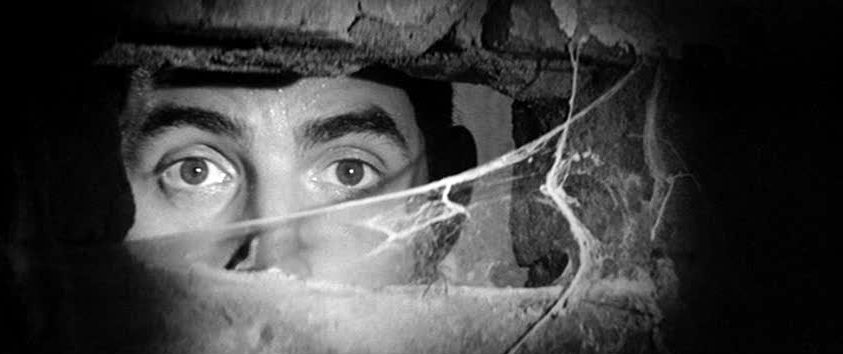
ten years ago, the long running stage production of Andrew Lloyd Webber’s The Phantom of the Opera was brought to
cinemas in full on spectacle fashion with this 2004 film adaptation. Although I
was initially somewhat indifferent to this rendition thanks to my love for the
1925 and 1943 versions, it remains a fun, flashy, and rousing take for today’s
audiences.
New
Parisian opera owners Firmin (Ciaran Hinds) and Andre (Simon Callow) argue with
their prima donna Carlotta Guidicelli (Minnie Driver) and lose the star on the
night their new patron Raoul, the Viscount de Chagny (Patrick Wilson) is to attend.
Fortunately, the elusive, unseen Ghost of the Opera known as The Phantom (Gerard
Butler) has been training Christine Daae (Emmy Rossum), the orphaned dancer of
a famous Swedish musician, how to sing the show’s operettas. Though she thinks
of him as an angel of music, The Phantom is passionately obsessed with
Christine and writes threatening letters to the new owners to ensure her placement
over the appeased Carlotta in the upcoming productions. When Christine pleads
with The Phantom to reveal himself, he takes her to his lair beneath the Opera Populaire,
unbeknownst to all except ballet mistress Madame Giry (Miranda Richardson). Soon
Christine is conflicted between The Phantom’s longing guidance and her
engagement to her childhood friend Raoul. Scorned, deformed, and unloved, The
Phantom demands his Don Juan opera be performed while he plots the destruction
of all who stand between him and a new, beautiful life with Christine.

From Stage to Screen
Director
Joel Schumacher (The Lost Boys, Batman
Forever) co-wrote this 2004 adaptation
along with producer Lloyd Webber (Cats,
Jesus Christ Superstar) and naturally, The
Phantom of the Opera closely adheres to the stage musical and not necessarily
Gaston Leroux’s original 1911 novel. That alone may put off viewers here, as
will the almost everything in song spectacle and decidedly Broadway structure. Things
that could be simply said are instead unnecessarily embellished in song –
sometimes at the expense of pace and plot. Numbers such as “Notes,” “Prima
Donna,” and the start of “Masquerade” feel overlong and overdone in their lavishness
and unfortunately stay away from the core love triangle for too long. By
default, these have us itching for the titular happenings, yes, and this beat
for beat, all music on stage and off is the point of this musical adaptation,
of course – everything we see onscreen is meant to be one stage production
after another with humor interspersed for brevity. However, this people
breaking out in song for no good reason is why mainstream audiences have such
extreme love or hate for musicals. Adding dance, spectacle, and goofy grins on
top of this already misplaced measure is meant to make us enjoy the so
grandiose as to bemuse, but it compromises the attempt at edgy, mass appeal filmmaking
here. The Phantom of the Opera both doesn’t
go far enough in its brooding and asks too much by remaining caught up in its
own musical indulgence for nearly two and a half hours. The writing should have
been tighter, with a streamlined tempo and much darker humor or played straight
antagonism. Part of me wishes we just had this cast without the purely musical
elements. I even suspect it would be an interesting silent movie-esque
adventure to watch this on mute, for the performances are strong and emotional enough
without the song.
Fortunately,
some vocals also serve as narration in more popular, contemporary, music video
styling. Surreal camera shots, reflections, dreamlike fog, candlelight, and
sweeping tracking shots to start “Think of Me” and “Angel of Music” establish
the fantasy while rhythmic intercutting between the stage performances, behind
the scenes action, above drama, and below angst build intensity. Though atmospheric
with an OId World feeling, the black and white opening and closing scenes,
however, should have been just that, bookends. Briefly revisiting this time
merely for neat transitions is a pointless interruption amid the rafter chases,
deaths, taut suspense, and more action styled scenes. Having the tale locked in
a flashback also makes another character’s flashback within confusing, and the
age changes also fudge part of the timeline. Sure, it’s all elegant and pretty
to behold, but these adornments clutter the narrative and become a hindrance to
The Phantom of the Opera. Where the
Silent Version is still demented, horror macabre and the 1943 Claude Rains delight
provides a more traditional musical ingredient – the tunes come from the opera
performances alone – to the disappointment of horror fans, this Phantom of the Opera isn’t scary at all.
Certainly, this is a gothic piece with an under current of darkness, duality, layers,
masks, and what goes on behind the curtain flair, and while it may be geared
toward a teen audience, the black capes, white snow, and blood red lips provide
sophistication and symbolism. We don’t necessarily label films the same as books,
but this Phantom feels like the
definition of paranormal romance. It’s meant for audiences who don’t normally
like love stories, horror, or even musicals. Its saturated lavishness and
visual delights detract from its flaws, but also attract the viewer into
forgiving them – a lot like its eponymous ghost, actually. A fun, snowy sword
fight over a girl and the switch in when the chandelier drops are smart
cinematic changes ushering in a big, rousing film finale. Lloyd Webber may know
a heck of a lot about putting on a darn good show, but he’s a bit too can’t see
the forest for the trees when it came to adapting The Phantom of the Opera. Thankfully, Schumacher was indeed the
right director for this piece, and overall, The
Phantom of the Opera pulls off its movie adaptation thanks to what it does
purely for film requirements away from its stage source.


The Phantom
Well
then, let’s talk about Gerard Butler, shall we? Normally I require a minimum of
stubble on him, but I like this clean-shaven and half face coverage, strange as
that may sound. Yes, he needed more singing practice and his tone is uneven.
However, I accept that his voice is not that of a trained virtuoso, for The
Phantom has had no formal voice coaching in his underground lair, and who knows
what those supposed nasal deformities could do to one’s sound. The Phantom’s
voice is edgy; he’s an angry, mental dude, and this unpolished sound reflects
the part of him we don’t see under the mask. Butler enters a half hour in ahead of “The
Phantom of the Opera,” and its organ on acid mix of gothic fury and rock matches
his style. This Phantom has a lot of cool, sexy swag and raw elements, and were
he a debonair singer, it would seem out of character. He isn’t really the Angel
of Music, so why should his voice be angelic? Of course, our deep and guttural
singer also actually lives in the gutter and sings all but a dozen of his lines,
and his groomed stalking of an orphaned teenager is skivvy, almost like
pedophilia in plain sight creepy. He’s older and perhaps paternal, granted, but
The Phantom is also very juvenile, plays with toys, equates music to love, and
carries an entitlement chip on his shoulder along with some very underdeveloped
social skills – seen most tragically in his brief “Masquerade” reprise. He’s also
not that deformed, and it’s easy to
look past his flawed face thanks to Butler’s
desperation and passion in “The Music of the Night.” We understand how this
lonely man’s attentions could blossom from something musical to all things saucy.
His notes aren’t as big as the stage renditions of “The Music of the Night,”
but we believe his music genius and the earnestness of this seductive plea. The
Phantom’s holding up the radio ala Say
Anything – how can Christine refuse? His entire lair reveal feels like a
veiled sex scene placeholder: the way they go down the stairs, thru the tunnel,
the black horse, his boat and the motion of the ocean, the opening of the gate,
the high notes, the lyrics themselves, their caresses, and her fainting at
seeing the bridal doll. What’s the boy been doing with a red satin, bird shaped,
love nest bed and why are Christine’s newly sexed up stockings off when she
wakes?
The Phantom of the Opera is of course set up in The Phantom’s favor, and we
spend over ten minutes with his reveal and “The Music of the Night” compared to
Raoul’s brief “Little Lotte” reminisce and dinner plans. Without a doubt, he
has a violent streak and killer instinct, but does that automatically make The
Phantom a monster? The audience feels more for his un-nurtured nature than
fears his violence. Some of that is the aforementioned song over scares
adaptation unevenness, sure, but we also see how everything The Phantom does is
for Christine. It’s a twisted, unhealthy obsession and it’s ultimately about the
compassion he wants from her, yet we don’t blame the weeping Phantom for his
actions. While horror fans may despise this lack of menace or the danger as
charisma that fan girls justify purely because of Butler, there is a whiff of
social commentary from Leroux at play, particularly in the Red Death’s “Why So
Silent?” interruption of “Masquerade.” The use of Poe’s pestilence itself is
telling, a plague upon an exclusive, decadent host. Do these party patrons deserve
The Phantom’s comeuppance? Did the outcast circumstances alone make him the way
he is? We leave the misunderstood on the fringes of society and then wonder why
they snap. All The Phantom wants is some love! Isn’t that proof that he is not
without redemption for his crimes? Die hard fans of the stage production may
dislike Butler’s good girls like bad boys Hollywood take, but for those new to The Phantom of the Opera, he’s easy to love. Maybe The Phantom is Christine’s Angel of Music after all
– an innocent incarnation maturing from, as George Michael says, “father
figure, preacher, teacher,” to her dark Phantom lover and “anything you had in
mind.” I’m surprised Butler
only became a cult favorite and international phenomenon rather than a
stateside top of the box office superstar with this film, and I do pick on
Gerry a lot thanks to some of his stinky romantic comedies. Honestly, most of
his films do fall into the guilty
pleasure category. However, anyone who thinks he can’t act or at the very least
bring it to a role should see these pre-300
films such as The Phantom of the Opera and Dear Frankie. By time we get to “The Point
of No Return” one can’t help but think damn
he’s good!


Christine and Raoul
Certainly,
I can forgive the soft focus and candle glow on Emmy Rossum (Shameless) as The Phantom’s protégé
Christine Daae because it works wonderfully with her swept up, innocent, and
angelic dreamscapes in The Phantom of the
Opera. Christine begins the tale as an orphaned, small dancer in the opera repertory,
but her “Think of Me” big voice potential and childlike belief in an “Angel of
Music” sent by her late, famed father – seen in portraits as Ramin Karimloo,
the West End Phantom – soon develop
into a larger presence and much more scandalous relationship. Despite our apprehensions
about The Phantom, Christine is seduced by the very idea of him. She is the one
who insists upon his reveal – for all we know, The Phantom wasn’t going to make
his romantic case until her insistence after Raoul came swooping in as the
competition. Christine’s love and tenderness could be good for The Phantom,
right? She pities him, he inspires her, and the pair feels more Beauty and the Beast than they do
threatening. Of course, Christine dresses more sexy and grown up as The Phantom of the Opera progresses,
from big and grand white gowns to close but bound corsets, saucy stockings,
pushed up bodices, symbolic black, and ultimately, barefoot and lacy senorita
reds. Emmy’s hair is exceptional I must say, and this costuming adds to the
enchantment. Again, fans of the stage performances may dislike Rossum’s youthful,
not always emotive approach and most of her role is in song. However, her
mournful, conflicting feelings in “Wishing You Were Somehow Here Again” and
“Wandering Child” come across with some great bedroom eyes, and a few ecstatic,
even near orgasmic looks over The Phantom’s singing are both amusing and
rousing. She does care for The Phantom, and Emmy perfectly conveys the
heavenly, willing to love opportunity. Unfortunately, his violence and
prepubescent mine mine mine drives Christine to the ultimate just friends condemnation
and mongoloid hatred just like everyone else. Christine is caught up in his
passion and volatile, and though this back and forth fear feels hollow to the
viewer because The Phantom is never presented as scary to us, her pain is
apparent thanks to his increasingly dangerous demands.
Of
course, the younger ages are again a little kinky, and the teenage angst might
be too wishy washy for the older, more cultured theatre audience. Christine
runs to the cool, snowy rooftop to escape The Phantom, but he is already there.
Whoops! For one so supposedly enamored with Raoul, she doesn’t notice when he
leaves during “Why So Silent?” nor does she wake him before going to the
cemetery. Her relationship with him seems the stagnant, chaste, platonic affair
of their childhood while its The Phantom’s passionate voice that turns her on.
Several frames before “The Phantom of the Opera” imply a halo on her head and a
pseudo bridal procession, as if she was innocent and intact before “The Music
of the Night” but deflowered by the experience. She pulls her lace sleeves up
when singing to Raoul in “The Point of No Return” but lets them fall off her
shoulders when up close and personal with The Phantom for the next verse. We
understand her predicament, but Christine is indeed culpable for her own for
love or money choice. She’ll get her kicks with The Phantom, sure, but why
would she marry him when Raoul’s countess opportunities await? Her cruel public
removal of The Phantom’s mask feels almost like a face shaming, as if he has
the audacity to think she would choose an ugly underground life with him. The
Phantom asks Raoul if he thought he would hurt Christine, but both men seem
played by her. Was The Phantom truly first but dismissed at the altar? Did
Raoul spend his life in the shadow of The Phantom’s passion? Christine ditches The
Phantom but wears his wedding dress anyway, and all the while she’s supposed to
be scared of him? For someone supposedly so uninterested, she certainly gives
him a few darn good kisses!
If The Phantom of the Opera is set up in
its eponymous antagonist’s favor, that makes things troublesome for Patrick
Wilson (Angels in America) as Raoul,
the Opera Populaire’s debonair, young, rich patron. He’s Christine’s childhood
friend turned sweetheart, but their relationship is simply not as well
developed as The Phantom’s seduction. Raoul even dismisses the idea of
Christine’s “Angel of Music” in “Why Have You Brought Me Here?” and takes too
long to believe The Phantom is real, almost not until their swordfight. Christine
shouldn’t have to sing her “All I Ask of You” plea to Raoul –especially after
The Phantom is heard in the opera house and kills during “Poor Fool He Makes Me
Laugh.” Their puppy love seems forced and reintroduced in each scene they have
together – which feels like a lot less than her time with The Phantom.
Scandalous suggestions that they are lovers is heard from others in “Notes” and
“Prima Donna” but not seen, and this final angle of The Phantom of the Opera’s love triangle feels more like a fifth
wheel love that may or may not last. The Phantom may be too intense, but what
does Raoul really do to sway Christine? Again, his “I’m real, he is not”
argument feels devoid to the audience because we know it’s invalid, nay, Raoul
even seems like a jerk when he says Christine is free and safe from The Phantom
because we can see he is right there with
them. Wilson certainly has an easy, effortless
voice, but we hardly hear it. Raoul is the nice, safe choice for Christine and
we need his man versus man conflict in The
Phantom of the Opera along with his potential. He and Christine can advance
and grow together – unlike The Phantom, whose love and genius is childlike and
stunted by his early abandonment. He wants “All I Ask of You” sung to him, but
instead The Phantom must witness Christine and Raoul’s love in another semi-sex
scene. Where “The Music of The Night” is more like a drunken, heady make out
that you aren’t sure if you remember or regret, “All I Ask of You” has
Christine in a red cape upon the snowy high, asking Raoul if she loves her. He
answers, “You know I do,” in a “Will You Still Love Me Tomorrow?” quickie. The
exit goes behind closed doors and several months pass before “Masquerade,” but
Christine and Raoul are immediately secretly engaged onscreen while The Phantom
was left subtextually crushing rosebuds. He’s upfront about his passion while
Raoul represents social opportunity, and the viewer is caught up in where the
competition goes next. Even the shocked, tearful Raoul appears to think
Christine has chosen The Phantom in “The Point of No Return.” Christine shows
such passion with The Phantom before the entire company while his engagement to
her went undisclosed. How can Raoul – the titled, fresh faced boy hero on the
white horse – save Christine from The Phantom and his tricked out opera house?
He fences while The Phantom swishes his cape thru fire and Raoul almost appears
to want Christine more just because he wants to win. He sits in the opera box
with the police and orchestrates a trap for The Phantom, using Christine to do
so regardless of her safety or what she and The Phantom may mean to each other.
Raoul will be a count and has the means to marry Christine and leave the Opera
Populaire, but they don’t do so when they have the chance. Instead, it is The
Phantom’s ‘if you love something, set it free’ revelation that makes Raoul the
hero. The Phantom of the Opera makes
for a very interesting study of the entire triumvirate, and Wilson fills the role that needs to be filled
– but he isn’t given all the support Raoul needs. Like the criticism on his
co-stars’ singing, I don’t think Raoul deserves a lot of the hate he receives,
but with less screen time and overt romance, he simply seems too wimpy to best
The Phantom.


The Company
Fortunately,
The Phantom of the Opera has a fun supporting
cast, even if they are both over and under used. Minnie Driver (Good Will Hunting) is a diva in the truest
sense of the word with an over the top Italian wink at the expected opera
stylings as “Prima Donna” Carlotta. It’s easy for audiences to be amused at her
parody thanks to some wild feathers, furs, and gaudy colors – her design is in
keeping with the stage show panache whilst standing out along with her clashing
antagonism. New opera owners Ciaran Hinds (Rome)
and Simon Callow (Shakespeare in Love)
also add humor with their toeing the line of incompetence as the Opera Ghost
who isn’t a ghost at all demands a theatre salary from them with his letter
writing campaign. “Prima Donna” is fun for the ensemble, and the comedy
routines away from The Phantom do help ease what might be difficult romance and
musical stylings for non-Broadway audiences. But again, it’s all a bit much and
too audacious compared to any Phantom suspense. Thankfully, Miranda Richardson
(Sleepy Hollow) is intriguingly
subdued and knows more than she’s saying as Madame Giry. Those bookends and
flashbacks don’t quite clarify her history, confuse character ages, and don’t
do justice on how much she’s really
involved. She says Christine is like a daughter to her, but does that make The
Phantom her problem child? A non-singing conversation of explanation would have
been welcomed, and likewise, Jennifer Ellison (Brookside) as Madame Giry’s
daughter Meg remains the meek best friend and an unheeded Cassandra. She’s always
dressed like a fragile little girl or ballerina in a jewelry box and calls out
each time The Phantom makes his appearance, yet her scenes are otherwise silent
with only simmering scoring – as if she is curious about The Phantom but not
quite ready to awaken to love like Christine. Meg disappears or reappears from The Phantom of the Opera as needed, and
it’s a pity we don’t get enough mother/daughter dynamics with her or more interesting
dialogue with Christine. In film mode, the audience needs this sort of bounce
off player to which we can relate instead of on the nose routines for the sake
of it like “Masquerade.” These numbers and their grandeur work on the stage, but
the dimmed palette in contrast to the Red Death here needn’t be so obvious
onscreen – especially when thinly drawn support and its talented players are
ripe for development. The company celebrates the hidden and the disguise in
“Masquerade” and thus insults The Phantom in his house before pursuing him in
“Track This Murderer Down.” If he’s been doing these ghostly goings-on for three years, why didn’t anyone seek him
sooner? Leave some supplies on the steps, invite him upstairs, put him to an
instrument and you know, be kind. Wise cinemagoers get the bungling, humorous
antagonist cliché, so we’re glad when The Phantom makes that threatening “Why
So Silent?” entrance and steals the steamy show in “The Point of No Return.” If
you’re going to have this fine ensemble, give them their due before the
spectacle and give their actions for or against The Phantom some real meaning
beyond stereotypical filler.
Some
seemingly lecherous aspects of the behind the curtain repertoire are also suggested
just enough rather than fully explored. Stagehand Kevin McNally (Pirates of the Caribbean) skeeves after
the ballet company and proves creepier than anything we thought of The Phantom.
What kinds of sexual trades, favors, and abuses most likely went on at the
opera in those days? Is The Phantom saving Christine from such services? Is
this why the company suspects she and Raoul – the opera house patron – are
already lovers? Firmin and Andre go arm in arm with two young dancers who are
overheard talking about how rich the former scrap mental entrepreneurs must be.
Are the lowers rungs of the Opera Populaire ambitious or pimped out and abused
by others? Madame Giry is even dressed up as a geisha while Meg costumes as a
swan. Is “Madame” Giry the hostess or something more – did she or the owners protect
or pimp their repertory? Surely the viewer is expected to understand the
adulterous plot of “Il Muto” goes down on stage and off, right? While The Phantom of the Opera debates whether
The Phantom is angel or demon, subtle religious positions are also implied
about the ensemble. Meg and Raoul can be seen wearing crosses when they wear
white, and the cross on the Daae crypt glows red during The Phantom’s deception
in “Wandering Child.” Though often wearing black, Madame Giry is also seen with
a cross, suggesting she is nunned or at the very least reformed for her part.
Is she giving Christine to The Phantom so she can save or prospect her own
daughter? Again, these secondary layers and complexities would have better
served the film version of The Phantom of
the Opera rather than the company’s over long, filler music.


The Production
The Phantom of the Opera may unevenly place its spectacle above all else, but
it does indeed look smashing! Liberties taken away from the stage create embellishment
and improvements that couldn’t be done in the theatre. Antique sepia tones and
black and white patinas give The Phantom
of the Opera proper period mood, and great feathers, gold, sparkle, and
colorful jewel tones accent the 1870 Paris
authentic but no less fairy tale costuming delights. Gas lamps, tinted, near
whimsical and magical lighting, and lots and lots of candles add dimension and
establish the high and low differences between the lavish of the theatrics at front,
the hurried of the stage behind, and the dungeon-esque danger below. Despite
being mostly interiors or obvious sound stages made to look outside snowy, the
set dressings look good thanks to great depth, mirrors, smoke, and waterworks. The Phantom
of the Opera may be to beholden to being its stage predecessor on film, but
this traditional presentation is a lot better than the desperate, sweeping CGI
seen in Sweeney Todd. So what if we
can occasionally see some of the indie filmmaking small-scale short cuts and
The Phantom’s deformity and make up design changes from grotesque to not so bad
and even handsome or sexy as needed. When the audience sees something so nice everywhere
we look, then we can forgive these minor, or in some cases, deliberate flaws. The
Dracula-esque carriage ride and
cemetery dressings add melancholy elements while the red, darkening Don Juan
presentation amid “The Point of No Return” provides airs of Dante and I must
say, the “Satan’s Alley” number in Staying
Alive. One wants to take the trip to The Phantom’s lair even as the
subterranean waters turn sour and sickly green. Great single shots, pretty
still images, and fine attention to detail anchor painting like frames – ironically,
The Phantom of the Opera almost suffers
from too much of a good thing in its over produced intentions. Where these
theatrics work for a show where the seated audience must remain captivated, a
film shouldn’t have to go as far as The
Phantom of the Opera does with its spectacle. All the film within a film
and opera behind the scenes themes are already at work without the extra flashbacks
and showmanship on top.

Art
Direction, Cinematography, and Original Song Oscar nominations came calling for
The Phantom of the Opera, along with
more critics associations awards, international acclaim, and Breakout hardware
for Emmy Rossum. Though stage Carlotta Margaret Preece appears briefly in The Phantom of the Opera and her dubbing
over Minnie Driver’s vocals is often apparent and other audio and visuals
sometimes seem out of sync, Driver does sing beautifully on the “Learn to Be
Lonely” original. I did speak ill of the mismatched boards to film musical
aspects, but the tunes themselves and the corresponding underscore are dang
catchy and stick in your head even if you don’t prefer big songs, Broadway
styled orchestration, or show tunes arraignments. We can’t quite sing along with
the high notes, but there is a modern, less operatic rhythm to “The Phantom of
the Opera.” It’s edgy, with a trace of eighties power balladry. Of course, the
Halloweenish organ is reminiscent of Bach, and one must also not think of Pink
Floyd’s “Echoes” rift in order to enjoy the titular track, for they do indeed
sound that much alike. Without
subtitles, it would also be tough to understand when everyone is singing on top
of each other, particularly with the booming music in the “Final Lair”
sequence. How is one to appreciate the argument when we can’t hear all that’s
being said? Fortunately, there’s no mistaking the climactic “Don Juan” and “The
Point of No Return.” The duet here plays like another scandalous sex scene
thanks to ascending stairs, rising octaves, and illicit lyrics. At this point,
the audience in the Opera Populaire and us viewers aren’t sure where the plot
of “Don Juan” ends and The Phantom and Christine begins, but we know the rising
crescendos are coming to a head – or a chandelier drop.


I Do Like It, I Do!
While
the affordable single DVD edition of The
Phantom of the Opera contains no major features, the reasonable 2 Disc
Special Edition and Blu-ray releases do contain several hours of intriguing
documentaries on the stage genesis and film production along with the inexplicably
deleted “No One Would Listen” scene. Today we’re spoiled in expecting B rolls
and hours upon hours of extra content, but remember, this was also the era of
both ‘Full Screen’ (Why? Why?!) and
‘Widescreen’ video releases. Since The
Phantom of the Opera’s anniversary is coming up next year, it might be nice
to see a new release with digital copy, sound remixing, and some commentary
tracks or retrospectives. Sadly, I’ve seen no information for such a re-issue.
Perhaps I’ve been back and forth, wishy washy, and windblown in discussing The Phantom of the Opera. I do like it,
I really do, and I tend to watch it two or three times in a row whenever I see
it before listening to the soundtrack a few times more when the songs are stuck
in my head. However, my critical mind also notices and notices and notices the ‘I
see what you did there’ ad nauseum here. The
Phantom of the Opera itself never quite makes up its mind whether it is
going to be a video of the stage production with a weaker singing Hollywood cast or if it is going to be a lavish film
structured with song and stage show elements. Had the full on musical configuration
been toned down, this could have had an even broader appeal. With a clipped
abundance on production and a tighter polish on it all, who knows what kind of
long lasting critical glory and greater awards acclaim The Phantom of the Opera might have had. Of course, Lloyd Webber knew he didn’t have
to compromise much to make a successful picture, and this is still quite a popular
film with crossover cult love and enduring international appeal. The Phantom of the Opera doesn’t feel garish
or turn of the millennium dated like other hit or miss attempts in the
nu-musicals resurgence. Some audiences find the over production a fault, others
hate the music over horror altogether, while more can’t abide Butler as The Phantom much less his inferior
singing. Either way, there are chicks out there asking him to sign their Phantom of the Opera thigh tattoos! I’m
not a major romance fan by any means, but I don’t think it is a slight to call
this edition and its loveable, misunderstood Phantom and near fairy tale charm
a precursor to the paranormal romance audience and PG-13 Twilight crowd. Where I
can’t abide how the sparkle vamps have defanged old school scary vampires, I
can see room for Lon Chaney’s frights and this romanticized Phantom of the Opera. Not everyone will
like this film – most mainstream, non-musical audiences probably will not.
There is however, a moody, musical niche for this Phantom of the Opera, and fans of the cast, lovers of gothic
romance, musical viewers, and Phantom completists
must see the brooding spectacle here.


 The Climax – Susanna Foster (Phantom of the Opera) and
Turhan Bey (The Amazing Mr. X) join Boris Karloff – in
color! – for this 1944 Universal moody meets musical originally
envisaged as a would be sequel to their too successful not to
capitalize upon it 1943 Phantom of the Opera. Though
the voices are too soft compared to the bombastic notes and the
production connections are
apparent in the reused stage sets, the grandiose, gilded opera house
fits well with the behind the curtain dusty and suspicious as the
blurred frame and warped design accent the bittersweet turned deadly
flashback from lovelorn theatre physician Karloff. Why, examine the
lovely diva's throat, you say? I think not! While few in number, the
frilly, slightly overlong and probably unnecessary full song and
dance productions won't be for those who dislike operatic vocals nor
audiences expecting all horror. Ironically, the score isn't very
striking, and if this wasn't going to be Phantom of the
Opera Part Deux, the musical
elements should have been removed altogether in favor of Karloff's
worth seeing creepy. Typical temperamental divas, usurping ingenues
in love, an incompetent opera manager, and more plot points are too
immediately Phantom obvious.
If viewers don't know the aborted sequel history, this all appears
like a conspicuous knockoff, and ultimately, the result is a mixed
motivated picture that feels like two films squashed into one. The
menacing story seems thin, stretched out to avoid interfering with
the musical formula, which in turn detracts from the quality Karloff
villainy. I like classic musicals, however the macabre start with a
brooding Karloff and the ghostly shadows of his prima donna past
belie the song segments that sag without him. Big B's alarming
obsessions and possessive plans are simply better thanks to extreme
up close shots, hypnotic light machines, killer pearls, and damaging
vocal tonics. There's a predatory simmer, a subtle, slick
calculation, and despite the identity crisis, this tale does go out
on a high note. Literally.
The Climax – Susanna Foster (Phantom of the Opera) and
Turhan Bey (The Amazing Mr. X) join Boris Karloff – in
color! – for this 1944 Universal moody meets musical originally
envisaged as a would be sequel to their too successful not to
capitalize upon it 1943 Phantom of the Opera. Though
the voices are too soft compared to the bombastic notes and the
production connections are
apparent in the reused stage sets, the grandiose, gilded opera house
fits well with the behind the curtain dusty and suspicious as the
blurred frame and warped design accent the bittersweet turned deadly
flashback from lovelorn theatre physician Karloff. Why, examine the
lovely diva's throat, you say? I think not! While few in number, the
frilly, slightly overlong and probably unnecessary full song and
dance productions won't be for those who dislike operatic vocals nor
audiences expecting all horror. Ironically, the score isn't very
striking, and if this wasn't going to be Phantom of the
Opera Part Deux, the musical
elements should have been removed altogether in favor of Karloff's
worth seeing creepy. Typical temperamental divas, usurping ingenues
in love, an incompetent opera manager, and more plot points are too
immediately Phantom obvious.
If viewers don't know the aborted sequel history, this all appears
like a conspicuous knockoff, and ultimately, the result is a mixed
motivated picture that feels like two films squashed into one. The
menacing story seems thin, stretched out to avoid interfering with
the musical formula, which in turn detracts from the quality Karloff
villainy. I like classic musicals, however the macabre start with a
brooding Karloff and the ghostly shadows of his prima donna past
belie the song segments that sag without him. Big B's alarming
obsessions and possessive plans are simply better thanks to extreme
up close shots, hypnotic light machines, killer pearls, and damaging
vocal tonics. There's a predatory simmer, a subtle, slick
calculation, and despite the identity crisis, this tale does go out
on a high note. Literally.

 The Monster – The silent
mayhem in this 1925 horror comedy starts with well done car mishaps,
a milkman eloping with another man’s wife, and deducing amateur
detectives along with a variety of intertitles, newspapers, book
passages, and handwritten notes. Great style, catchy tunes, dance
scenes, and period dynamite for the twenties enthusiast will help
forgive what may seem like unnecessary to and fro or lighthearted
rambling. Intended horror audiences may think this humor takes too
long away from the scares, but fortunately, a dark forest, stormy
atmosphere, thunderous sound effects, spooky music, and one Lon
Chaney drastically change the tone from slapstick to suspense. The
tale truly begins with this creepy, trapped in a near-abandoned
sanitarium situation, and freaky visuals, eerie figures, excellent
shadows, and simmering movements heighten Chaney’s wonderful
introduction – complete with a sophisticated, long stem cigarette
but sinister, pasty facade. Hidden passages, trap doors, dumbwaiters,
and poisoned drinks move the somewhat thin plot from one scare piece
to the next twisted experiment without much explanation until the
final twenty minutes. At a time when the average film was only an
hour, the eighty minutes here may seem overlong and not everyone will
enjoy that humorous but misleading start. Thankfully, wild tightrope
action and electric chair havoc make for a fine finish, and early
horror fans will enjoy spotting our modern horror frameworks and
frightful clichés here in their film infancy.
The Monster – The silent
mayhem in this 1925 horror comedy starts with well done car mishaps,
a milkman eloping with another man’s wife, and deducing amateur
detectives along with a variety of intertitles, newspapers, book
passages, and handwritten notes. Great style, catchy tunes, dance
scenes, and period dynamite for the twenties enthusiast will help
forgive what may seem like unnecessary to and fro or lighthearted
rambling. Intended horror audiences may think this humor takes too
long away from the scares, but fortunately, a dark forest, stormy
atmosphere, thunderous sound effects, spooky music, and one Lon
Chaney drastically change the tone from slapstick to suspense. The
tale truly begins with this creepy, trapped in a near-abandoned
sanitarium situation, and freaky visuals, eerie figures, excellent
shadows, and simmering movements heighten Chaney’s wonderful
introduction – complete with a sophisticated, long stem cigarette
but sinister, pasty facade. Hidden passages, trap doors, dumbwaiters,
and poisoned drinks move the somewhat thin plot from one scare piece
to the next twisted experiment without much explanation until the
final twenty minutes. At a time when the average film was only an
hour, the eighty minutes here may seem overlong and not everyone will
enjoy that humorous but misleading start. Thankfully, wild tightrope
action and electric chair havoc make for a fine finish, and early
horror fans will enjoy spotting our modern horror frameworks and
frightful clichés here in their film infancy.
 The Strange Door – Charles Laughton (The Private Life of
Henry VIII) joins Our Man Boris for this black and white 1951
Universal co-production based upon the ye olde Robert Louis Stevenson
source, and the carriages, tricorn hats, French flair, and bawdy pub
follow suit in setting the chase. Behind that eponymous one way entry
lies a perfectly macabre chateau well designed with shadows and
lighting schemes alongside rumors of past torture, gruesome
experiments, and the not what he seems servant Karloff spying within
the walls and guarding a would be mad brother. The family drama is
somewhat slow to start with the names and history not immediately
revealed, but the much lauded Laughton does some surprisingly fun
scene chewing as this jealous monsieur plots an unhealthy marriage
for his niece, smoothly threatens to get his way with a handy hot
poker, and carefully crafts an ominous, long brewing approach to his
revenge. The captive angst and forced nuptials are not horror per se,
but this quality is nonetheless icky, and the gluttonous higher ups
give servants the scraps as though they were dogs and use any shared
villainy about them in gaining the upper hand. Let's amuse ourselves
by visiting the dungeons! Disposed of suitors, young romance, and a
subtly implied innuendo don't leave much room for Karloff however,
there are enough twists and turnabout deceptions to disrupt the long
gestating cruel plans. Whom do you trust in this crazy locked house?
At times, the eighty minutes seem uneven or a touch confusing and
unsure if this is going to be a purely dramatic tale or full on
scary. Thankfully, the fight scenes, daring escapes, and dangerous
waterworks create a suspenseful finale to match the performances by
the elder statesmen. I love the ladies looks and the pleasant period
flavor, and it might be nice to see this story revisited in truly
colorful and scary fashion.
The Strange Door – Charles Laughton (The Private Life of
Henry VIII) joins Our Man Boris for this black and white 1951
Universal co-production based upon the ye olde Robert Louis Stevenson
source, and the carriages, tricorn hats, French flair, and bawdy pub
follow suit in setting the chase. Behind that eponymous one way entry
lies a perfectly macabre chateau well designed with shadows and
lighting schemes alongside rumors of past torture, gruesome
experiments, and the not what he seems servant Karloff spying within
the walls and guarding a would be mad brother. The family drama is
somewhat slow to start with the names and history not immediately
revealed, but the much lauded Laughton does some surprisingly fun
scene chewing as this jealous monsieur plots an unhealthy marriage
for his niece, smoothly threatens to get his way with a handy hot
poker, and carefully crafts an ominous, long brewing approach to his
revenge. The captive angst and forced nuptials are not horror per se,
but this quality is nonetheless icky, and the gluttonous higher ups
give servants the scraps as though they were dogs and use any shared
villainy about them in gaining the upper hand. Let's amuse ourselves
by visiting the dungeons! Disposed of suitors, young romance, and a
subtly implied innuendo don't leave much room for Karloff however,
there are enough twists and turnabout deceptions to disrupt the long
gestating cruel plans. Whom do you trust in this crazy locked house?
At times, the eighty minutes seem uneven or a touch confusing and
unsure if this is going to be a purely dramatic tale or full on
scary. Thankfully, the fight scenes, daring escapes, and dangerous
waterworks create a suspenseful finale to match the performances by
the elder statesmen. I love the ladies looks and the pleasant period
flavor, and it might be nice to see this story revisited in truly
colorful and scary fashion.

 Wolf Blood – This 1925 silent hour plus is the earliest
remaining onscreen lycanthrope picture, complete with Canadian
flavor, old fashioned logging, spooky forestry, railroads, and
jealous love triangles to match the desperate titular transfusion and
its would be consequences. A befitting green hue graces the outdoor
scenes while standard black and white reflects the bleak interiors
and golden tints accentuate the high society parties. The focus is
blurry at times, the print understandably jumps, and the music is
surprisingly loud. However, the rounded iris close ups add a
dreamlike quality, and the vintage jazz tunes and period fashions are
a real treat. If you're looking for a time capsule logging
documentary, this is it! Flirtations, camp injuries, company
rivalries, drunken dangers, and medical debates give the first half
of the picture a purely dramatic pace, but the wolfy fears, mob
mentality, and deadly possibilities build in the latter half.
Fantastic medicine, superstitious leaps, dreams of becoming the wolf
– this isn't a werewolf film as we know it but the key pieces are
here. How fast people turn on you once you have wolf's blood! The
wolf footage is also quite nice, with what looks like real mixed wolf
or husky dogs. No, there is no werewolf transformation and it's all
a bit of a fake out in that regard, but the community fears and early
man versus beast melodrama is still fun to see.
Wolf Blood – This 1925 silent hour plus is the earliest
remaining onscreen lycanthrope picture, complete with Canadian
flavor, old fashioned logging, spooky forestry, railroads, and
jealous love triangles to match the desperate titular transfusion and
its would be consequences. A befitting green hue graces the outdoor
scenes while standard black and white reflects the bleak interiors
and golden tints accentuate the high society parties. The focus is
blurry at times, the print understandably jumps, and the music is
surprisingly loud. However, the rounded iris close ups add a
dreamlike quality, and the vintage jazz tunes and period fashions are
a real treat. If you're looking for a time capsule logging
documentary, this is it! Flirtations, camp injuries, company
rivalries, drunken dangers, and medical debates give the first half
of the picture a purely dramatic pace, but the wolfy fears, mob
mentality, and deadly possibilities build in the latter half.
Fantastic medicine, superstitious leaps, dreams of becoming the wolf
– this isn't a werewolf film as we know it but the key pieces are
here. How fast people turn on you once you have wolf's blood! The
wolf footage is also quite nice, with what looks like real mixed wolf
or husky dogs. No, there is no werewolf transformation and it's all
a bit of a fake out in that regard, but the community fears and early
man versus beast melodrama is still fun to see.


 Poor
Billy Nighy (Underworld) is also
totally wasted in The Phantom of the
Opera as an angry, would-be manipulative but largely ineffective opera
owner. He doesn’t have much to do except bitch, and late stage star Stephanie
Lawrence as Carlotta likewise feels blink and you miss her rather than any sort
of antagonist. So-called inspectors and other nondescript secondary players are
forgettable, as-needed plot devices or set dressings. Without much beyond the
Raoul name change for Alex Hyde-White (Reed Richards in the infamous 1994 Fantastic Four film) as Christine’s
barely there paramour Richard, it’s tough to follow his supposed heroics in the
hectic underground finale much less root for his success. Sadly, all of these
players could be excised – no name police could have been called to the opera
house for the shoot ‘em up showdown and The
Phantom of the Opera would have been no different. Critical in the role as
Christine Day, Jill Schoelen (There Goes
My Baby) also misses the mark if you are looking for a strong period piece
blossom. While she makes a capable eighties scream queen, Schoelen is a fish
out of water at the opera. Christine should do more than go round and round
with Erik in one slow motion battle after another, right? But say hey, its SNL alum Molly Shannon!
Poor
Billy Nighy (Underworld) is also
totally wasted in The Phantom of the
Opera as an angry, would-be manipulative but largely ineffective opera
owner. He doesn’t have much to do except bitch, and late stage star Stephanie
Lawrence as Carlotta likewise feels blink and you miss her rather than any sort
of antagonist. So-called inspectors and other nondescript secondary players are
forgettable, as-needed plot devices or set dressings. Without much beyond the
Raoul name change for Alex Hyde-White (Reed Richards in the infamous 1994 Fantastic Four film) as Christine’s
barely there paramour Richard, it’s tough to follow his supposed heroics in the
hectic underground finale much less root for his success. Sadly, all of these
players could be excised – no name police could have been called to the opera
house for the shoot ‘em up showdown and The
Phantom of the Opera would have been no different. Critical in the role as
Christine Day, Jill Schoelen (There Goes
My Baby) also misses the mark if you are looking for a strong period piece
blossom. While she makes a capable eighties scream queen, Schoelen is a fish
out of water at the opera. Christine should do more than go round and round
with Erik in one slow motion battle after another, right? But say hey, its SNL alum Molly Shannon!