Showing posts with label Terence Fisher. Show all posts

07 May 2024

Christopher Lee Sci-Fi!


Christopher Lee Sci-Fi Special!

By Kristin Battestella


Who needs Count Dooku when you can revisit these preposterously retro Christopher Lee science fiction adventures?


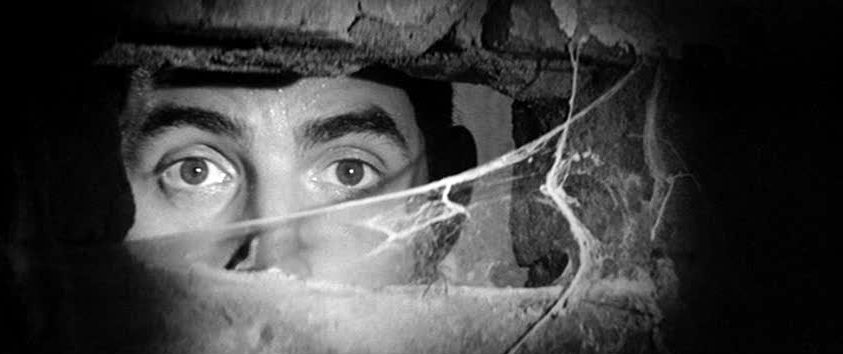
Night of the Big Heat – Christopher Lee (Horror of Dracula) and Peter Cushing (Curse of Frankenstein) anchor director Terence Fisher's (Frankenstein Created Woman) 1967 sci-fi island heat wave based on the John Lymington novel. Big satellites, giant perimeter cameras, and spinning radar gizmos immediately give this a decade too late feeling, and initially it's tough to tell who is who among the British quaint. Snooping vagrants mysterious killed and bespectacled scientist Lee checking his big listening equipment are slow to start despite ominous swanky music and sweet roadsters. The cars are overheating amid radio weather reports of 90 F in winter and rising, oscillating fans, glistening foreheads, and ice melting at the local inn. Buzzing sounds and crackling noises over the phone acerbate wife versus bikini clad secretary hostility, ogling men, and past dalliances. Ties are off, ice is being dripped down the blouses, and people are leaning inside the refrigerator. It doesn't cool off after dark, and the crazed buzzing begats car accidents and explosions. Something is said to land on the hill as dark room developments and then new infrared photography gather proof for our novelist who doesn't believe in extraterrestrials. Do they warn the villagers or would that cause a panic? Beer bottles break in the heat while juicy kisses lead to who's getting caught, rowdy assaults, and more fiery ends. The big boob tube gets weird signals before blowing up, dogs are barking, and a delirious farmer's sheep are killed, yet it's tough to tell if the tension and now tame cigarette steamy are the main story or if the underlying sci-fi build is the priority here. The increasingly congested inn stifles with arguments about what to do – like who are you supposed to contact anyway if you suspect an alien invasion? More sweaty clothes and giant walkie talkies accent the look of fear and victims' screams as the screen goes white, and it's nice that we don't see the alien wither tos and why fors until attempts to contact the mainland fail. Unfortunately, flashlights and dynamite plans to divide and conquer get confusing before thunderstorms and an easy, contrived end that really had no where to go. The staged, mid century television design is fine, but the uneven hammy science and would be saucy do a disservice to the compelling ensemble. It might have been interesting had there been no explanation to the sci-fi or just a heat induced killing spree, for all the postulating that our satellites signals lured the extraterrestrials to come heat up the earth feel tone deaf today considering how we are making the planet hotter right now with our own stupidity no aliens needed. This is fun for the cast – if you can accept that this is neither groundbreaking or actually all that steamy.


End of the World – Pleas to use the telephone from Father Christopher Lee open this 1977 romp before sparks, broken windows, and explosions prevent the call. The Spanish Mission convent and organ music peppering the score contrast the then new Model 82 computers and dot matrix printouts as our Communications Professor traces ominous space signals. These beeping messages predict “Large Earth Disruption” as earthquakes, droughts, volcanoes, and noxious cloud reports are heard on the radio yet the Professor and his Mrs. fool around and go to a swanky banquet while the viewer wonders if any of the driving to and fro or walking through the NASA lab talking about lecture tours are important. Even wife Sue Lyon (Lolita) serves no purpose but to scream a few times. There are contamination suits and pulsing crystals, light up gizmos, lots of techobabble, and all of it could have been cut by time they get to the mission where the signals are emanating amid prayers, roses, and nuns in black gardening. Buzzing fences and flashing lights lead to secret bunker men catching our couple, but all the scientists know each other so it's all good! They trade some more sci-fi barbs before going back to the mission, and it might have been better had we not seen the church opening but only explored the convent with the professor and his beeping gizmos as Father Christopher jokes that the signals are just a nun's transistor radio. The entire premise could have been the Professor snooping around the convent for SF unknown as technology and religions clash, but you can't expect that much here. Grabby old lady nuns attack in the dark – whisking victims to their underground alien lair with advanced gadgets, colorful tubes, whirring machinery, and flashing controls. Repairs needed to achieve sub warp speed contrast Lee's white robes as he recites The Lord's Prayer. He hesitates on “give in to temptation” and “deliver us from evil” before escape attempts and fiery overkill amid interstellar travel hyperbole, cloning, time warps, and murder. The aliens are stuck on earth and desperate to get back to their own utopia but need the Professor to fix their gear, so he sneaks back to the lab for his snazzy crystal – wasting time going up and down ladders, running in the dark, and blowing up the place with his coworkers within. Oopsie! So much for being better than the killer aliens just trying to get home amirite? Once we get to the alien morality debates, the movie's over, and the whole story would have been better from the extraterrestrial perspective. Now that they can leave, the aliens intend to destroy earth for all the problems we will cause in the galaxy, which is pretty much spoiled by the title. At least the special effects while disaster befalls the planet and the nuns peace out through the portal are pretty bemusing. With four minutes of slow credits, this becomes eighty minutes of meandering that could have been an interesting warning as a half hour anthology episode. Instead, it's only enjoyable if you add some MST3K lampooning. To think, this came out the same year as Star Wars.


20 September 2023

Middling 60s Capers


Middling 60s Capers

by Kristin Battestella


Despite name stars and decent production values, this trio of black and white mysteries from the sixties is surprisingly middle of the road. Rather than cinematic flair, each feels more like an overlong anthology entry. Ouch, but pity. 🤷🏻‍♀️


Cash on Demand – Carols, snow, and holiday atmosphere at the bank two days before Christmas set the scene for this 1961 black and white Hammer heist. Bowler hat wearing banker Peter Cushing wants the office to be dignified not festive, and he won't donate to the Christmas party fund. He's not there to ingratiate himself with subordinates and demands efficiency – threatening to see his manager never works in the financial sector again over an innocuous $10 mistake. The employees object to his embezzlement suspicions, but unexpected insurance investigator Andre Morell (Watson to Cushing's Holmes in Hammer's The Hound of Baskervilles) knows all about the tension among the bank personnel. The con artist has done his homework on the holiday deposits, and frantic phone calls lead to kidnapping and blackmail schemes to open the vault. Our insurance impostor recounts the signals and briefcases for the exchange with such menace, but there's no need for brutality – heists can be smooth and sociable while he's sipping tea with his feet up on the desk. On the ball Cushing descends to weak and pleading, emasculated and disrespected in the tense one on ones. This is, however, a very slow, talkative piece with all outside action told rather than seen. The two room bank setting is fine taut, but the previous teleplay source is apparent, the camerawork too plain, and incidental bank minutiae clutters what should be clever theft ploys. Window washers and honking fire trucks passing better create a few startles as the staff nonchalantly lets this thief into the vault unaware. Money bags, spinning locks, and filling luggage with loot lead to flashing light bulb alerts, fiddling with the keys, and thirty second alarm resets. Follow ups with the insurance company and fifteen minute phone check ins are well done when the actual heist happens, and our smooth talker intends to walk right out with a cool $100K. Crisscrossed signals, panic, nervous police bluffs, handcuffs – it takes a crime for crusty Cushing to unravel and unite with his staff to best the ruse and realize people are more important than money. This eighty minute version seems long or unevenly paced with superfluous employees and wasted time on obvious yet muddled slip ups in the rushed resolution. Fortunately, the bank balance turnabouts make for an unusual holiday morality tale for fans of the cast.


Sherlock Holmes and the Deadly Necklace – A dead body washes up beneath London Bridge as Terence Fisher directs Christopher Lee (also both of the Hammer The Hound of Baskervilles) in this international 1962 production loosely based upon Sir Arthur Conan Doyle's The Valley of Fear. Already the set up is superfluous with pretentious kids, a meddling housekeeper, and a simple sounding board Watson who needs Holmes to spell out clues with shadow puppets. The story is repetitive and disjointed with no point of view – deliberately trying to be obtuse with a Sherlock in disguise yet expecting the audience to be Holmes well versed. If you don't know Moriarty is our nemesis, Holmes looks obsessed for accusing a respected academic of murder. He disappears without informing Watson, whose unnecessary comic relief makes one wonder which scenes are important if at all while ominous moments implicate Moriarty just because the plot says so. Egyptology thefts, country estates, affairs, shootings – most of the Doyle nuggets happen off screen while we watch anonymous scuffles at the pub. Coming or going over clues and phone calls again follow the plot rather than real deduction, and we're supposed to like Holmes mocking the incompetent Scotland Yard because the anachronistic swanky jazz more fitting for a fifties noir than the late Victorian setting tells us so. While this looks the cluttered 221B Baker Street part, the crimes feel more like three murder vignettes and the auctions, sewer stakeouts, and car heists are meandering and confusing. Holmes can break into Moriarty's lair and mess with the mummies just because he's Holmes. How does his mailing himself the necklace that he stole from Moriarty prove that Moriarty stole it in the first place? It's easy to zone out on the lookalike ensemble's exposition away from Holmes, for the one on one secrets, alibis, and villainous tête-à-têtes are more interesting once we get Holmes in his deerstalker and stylish plaid cape. Lee provides the commanding wit and haughty air. His clever mannerisms change with each obvious mustache or eye patch disguise. We'll see Lee as Holmes again, however the lack of his own booming voice thanks to unfortunate dubbing practices contributes to the overall meh here. This is not an introductory eighty odd minutes but more like the second in a series where the audience is supposed to know the literature already. Though annoying for Holmes completists, this is really only for the Doyle devoted and Lee connoisseurs.


Stop Me Before I Kill – Swanky cars and jazz on the radio leads to shattered windshields and a ruined wedding day in this 1960 black and white Hammer noir directed by Val Guest (The Quartermass Xperiment) from the novel The Full Treatment. Months after the accident, our former race car driver still suffers mentally – unable to get behind the wheel and panicking on the highway. Although their relationship is feisty and his wife is supportive, his mood swings begat controlling compulsions, bruises, and stranglings amid the kisses. Intriguing visuals, up close zooms, shadowed faces, and cigarette mannerisms accent some very compelling segments alongside lux locales and continental suave disrupted by the hectic headlights, wheel clutching, honking horns, and peeling tires. Our husband is suspicious of the double talking psychiatrist they meet on the Riviera; dinner parties invoke further anxiety and aggression while the Mrs. makes the pleasantries. Friends tell him this lack of confidence is all in his mind and he admits he's behaving like a child, for a real man would seek help before harming his wife. Not being able to hold her without wanting to strangle her, newlyweds sleeping separately, and solo skinny dipping provide a whiff of then-scandalous as the through the binoculars viewpoint and dominance from above camera angles add to the audience voyeurism. We wonder what will set him off next, and his reluctance with our cheeky psychiatrist leads to angry, outwitting psychoanalysis as doctor and patient each contemplate how she should be killed and the gruesome dismemberment to follow once the bloody deed is done. Unfortunately, suspenseful breakthroughs are drawn out to the point of deflation with little regression therapy progress – the speedometer, her crucifix, and who was to blame for the accident are straightforward rather than shocking. The bloody bathroom with the appearance of a crime is obviously a fix, yet he's suddenly ready to race the Grand Prix again? Wife Diane Cilento's (Tom Jones) absence in latter half of the film shows until Riviera lookalikes, vehicular twists, deceptions, guns, and garrotes escalate. This should be much more chilling than it is, but the audience always knows what's what and there's not enough charisma or intensity to overcome the overlong, divided focus between the domestic jeopardy and the ulterior psychiatry.


11 June 2015

Revisiting with Sir Christopher


A Vampire Revisit with Christopher Lee
by Kristin Battestella


Horror fans worldwide have all been touched by the passing of Sir Christopher Lee. At the expense of writing new material too close home, here is a look back at all our musings on the Hammer Dracula series – previously scattered among our spooky dissertations and now collected for a mini RIP retrospective. Sniff.


Horror of Dracula – Well, well. Director Terence Fisher is here again for the one that started it all! Even with little dialogue, Lee is tall and imposing, his stature and glare deadly and delightful. Appearing a half hour into the film, top billed Peter Cushing as Van Helsing is also simply badass. There are unique changes to the tale from Hammer writer Jimmy Sangster (Horror of Frankenstein) of course, with library scholar Harker engaged to Lucy and more character switcharoos. Dracula is also decidedly styled as an English gentleman yet the story never leaves Central Europe. This also doesn’t look 1958 as we expect from the Leave It to Beaver types. Yes, it’s bright and colorfully filmed in the style of the time, but this Dracula is dark, gothic, and feels earnest, passionate, deadly. There’s something so nasty about the way Lucy opens the door, removes her cross, lays out, and unbuttons the nightgown! All the staples- stakes, garlic, candles, coffins- are here; everything we expect a proper vampire tale to be twists together with great deception and scares. Hot damn!


The Brides of Dracula – Peter Cushing returns- without the titular Big D- for this 1960 Hammer sequel directed by Terence Fisher (also of the precursor Horror of Dracula). Here the once again young, suave, taking names and staking dames Van Helsing puts the cross to Yvonne Monlaur (Circus of Horrors), Martita Hunt (Great Expectations, Anastasia) and Andree Melly (The Belles of St. Trinian’s). Though the Hammer sets are a little familiar, naturally; the scary sound effects, Goth Victorian dressings, lots of candles, and plenty of red velvet work toward a great, old fashioned, classy atmosphere. This chick spin on Bram Stoker’s plotting is unique, juicy, and dangerous-all these sexy women with secrets, screams, and fangy hysteria! This probably wasn’t the first of the Hammer Dracula series that I saw growing up, but it’s the one that sticks in my mind best- mostly because of a sweet climatic finale. Granted the inconsistencies are iffy, but that windmill of danger, doom, and retribution is classic awesome.


Dracula: Prince of Darkness – This Terence Fisher helmed 1966 sequel opens with a revisit to his Horror of Dracula and adds fun Victorian via sixties ladies, freaky servant Philip Latham (The Pallisers), action monk Andrew Kier (Cleopatra), candlelit ambiance, and sweet velvet décor. There’s actually a touch of the novel as well, with hints of Renfield and visiting English twists- except our Carpathian guests are two couples this time around. Barbara Shelley (also of The Gorgon) makes a great scaredy cat who would be annoying except that we know somebody should take heed in a vampire picture! Besides, it’s always the good girls like Suzan Farmer (Die, Monster, Die!) who go so bad for Dracula! Even though we know a resurrection ritual is coming, it’s still bloody impressive- literally and figuratively. There’s a great sense of foreboding fear with scary music as Lee silently hypnotizes and takes the dames as he wills in what seems like less than 10 minutes! I know he did some of these films under protest and had conflicts over the dialogue, but Dracula need not speak to be badass either. OMC’s great strength, overbearing physicality, and evil red eyes more than fit the terror bill. It’s actually fitting that there are no wither tos and why fors- just a silent, powerful, unstoppable menace. We don’t have outright nudity or such for this round, but the vamp approach and violation works.


Dracula Has Risen from the Grave – A sweet, bloody, almost Bond-esque introduction and a fun opening shocker lead off the revenge plotting, suspenseful carriage chases, surprising character development, saucy bedroom scenes, religious twists, and rooftop pursuits in this 1968 sequel. Whew! It’s quite intriguing to for once see what would possibly happen after Bram, as we instead focus on Monsieur Rupert Davies (Maigret), priest Ewan Hopper (Julius Caesar), and the terrified village folk who all still live in the shadow of Big C. We actually see more of Lee as Dracula earlier on in the film, and this time he even speaks! Well, it’s only about dozen lines and we still don’t really have enough of the eponymous villain, but Sir Christopher has more to do here. Dracula is quite sensual and kinky; all these necks and bosoms just thrust right at him! Though filmed well, the production values seem a step down from the usual Hammer high style, and the women seem a little too sixties designed instead of the late Victorian onscreen. Young Barry Andrews (Blood on Satan’s Claw) is also too hepcat annoying, as is bad girl Barbara Ewing (Torture Garden) to start- but we know Dracula will educate her- a bite, a beat down, a catfight! Yes, the titular revival is a little preposterous, but its also pretty creative- even if the vampire rules, times, and places established in the first two films are fudged up. The horror sound effects are great, along with impressively eerie green glow effects and colored lens tricks. It does indeed look like death here!


Taste the Blood of Dracula (1970)– Well, in this Hammer’s fifth Dracula themed film, Big C has a sweet intro tying into his previous entry, 1968’s Dracula Has Risen from the Grave. The occult circumstances leading to Dracula’s resurrection here are also lovely horror treats- creepy organ music, lightning crackles, and bright red oh so delightfully fake blood! Even if Lee only has about a dozen mostly one-word lines, he’s still enchanting, suave, and lays on the kinky with Linda Hayden (Blood on Satan’s Claw) and Isla Blair (Battle of Britain). What can I say; he knows how to dominate a picture! While this outing suffers a little bit from lack of other stars- it’s tough to enjoy all these Brit blokes who all seem the same- the Victorian flavor, gore, and underlying cheeky are just right. So what if the cult rituals in the titular quest are over the top. You can read into all the blood, life, and naughty symbolism if you want, but Taste is also a lot of fun; everything we expect in a good old midnight movie. I do grant that the plastic gardens are hokey, but I like that something special and stage-like intimacy where nothing but a good cape, red eyes, and pimpin’ fangs are needed.


Scars of Dracula – Roy Ward Baker (The Vampire Lovers) takes the helm for this 1970 entry in the Hammer series once again starring Christopher Lee as the eponymous count. The plot kind of sort of picks up from Taste the Blood of Dracula with the pre-requisite resurrection in the first few moments and sets the mood with booming orchestration, outdoor scenery, wild carriages, and cool castle interiors accented by red décor and bloody, pecked, and stabbed victims. Yes, the period design is cheap and the plot standard – a young village girl is attacked, angry townsfolk and the clergyman head off for Dracula’s known lair, one person doesn’t heed said village’s advice, a couple pursues him to the castle… The tale starts several times and takes too long with seemingly random players before the vamp action, and most of this set up could have been abandoned for an in medias res cold open. Expected series inconsistencies and a plodding lack of panache detract from the Stoker touches, but Lee looks good, mixing both violent and torturous intensity with suave and delicate mannerisms. From casual dining and conversations to a seductive vampire bride and slightly hokey bat control, Lee has much more to do with these developments, and it’s wonderfully creepy. Likewise, Patrick Troughton (Doctor Who) is a seedy, hairy, hatchet wielding, and conflicted henchman. Though the nudity and bed hopping are a little more risqué, there could have been more and subtitles would clarify a lot! Yes, it’s somewhat typical with nothing new on the vampire theme, but Lee’s presence anchors the spooky iconography here.


Dracula A.D. 1972 – Numero 7 brings Dracula back once again-and this time, the titular year is where all the juice happens with Stephanie Beacham (The Colbys) and Caroline Munro (The Spy Who Loved Me). The swanky scoring is a lot of fun, but director Alan Gibson (also of the follow up Satanic Rites of Dracula) wastes time on dated onscreen band performances. We don’t need lengthy 1972 establishing, and the now retro styles would have look cool old school if they weren’t so dang garish. We poke fun at the psychedelic, sure, but imagine how ugly current slasher horror films brimming with kids in the latest fashions are going to look in 40 years! The annoying hepcats wannabes here make things too bad English; Scream and Scream Again does the formula just a little bit better. Thankfully, Peter Cushing’s return as Grandpa Van Helsing is classier and action pimpin’ then all of the little boys put together! Of course, things kick up when Lee is resurrected and Cushing takes up the fight, but who knew Dracula was down with the swirl? Pity he is only in a reluctant handful of scenes with another dozen obligatory lines.


The Satanic Rites of Dracula – This direct sequel and number eight in the Hammer Dracula cannon sticks to the contemporary designs from its 1972 predecessor with more faux Bondian opening titles, breasts, and bad zooms. Though the sets and scenery are a little bland, drab, and not as colorful as the previous outing, the blood, kinky vampire brides, and disturbing rituals get all the horror across just fine. It’s also neat to see tapes, slides, and old style investigations instead of high tech CSI. The modern spy angle and same old Scotland Yard inspectors are, however, a little ho-hum in overtaking the expected vampness. Van Helsing’s credentials change to fit the themes here, but PC is still sweet- slapping people around to get his answers and taking long contemplative drags on his cigarette. Big C commands a lot of attention with his strong, distinctive voice and speech, yet his silent and brutal sweeping in and conquering works in his handful of scenes here. There’s something so sensual about not always seeing the actual taking bite, just the fear before and the deadly euphoria after. Yes, perhaps the ‘spies saving England from vampires’ plot might not always work, but the latent lesbian vampire action and orgasmic stakings go a long way for old school male audiences.


The Legend of the Seven Golden Vampires – Although Hammer’s Dracula series wasn’t exactly known for its consistency, this 1974 samurai meets vampires crossover muddles the timeline further, easily resurrects its angry and infamously not Christopher Lee Dracula, and unevenly mixes its two-movies-in-one inspired parts. The bad makeup, dubbing by David de Keyser (Leo the Lasyt), and almost comically green, alien lighting for John Forbes-Robertson (The Vampire Lovers) as Dracula isn’t scary and feels unnecessary – other Hammer vivid designs, period Asian style, undead rituals, and zombies rising from the grave are great but it’s tough to tell what’s happening most of the time. Fight scenes, nudity, and blood sucking are well done along with hints of Buddhist relics affecting these vamps, but Peter Cushing partly tells the titular legend in flashback instead of it being the main story. It might have been neat to see his traveling Van Helsing film series as he battles all manner of evil across the globe, but one has to wonder why Cushing took this role. Despite interesting character opportunities and uniqueness, Big Pete instead goes head to head in a reversed Magnificent Seven protect the village from the bad guys cliché. The audience never gets a satisfactory feeling from either the Fu or the Brits involved – the Chinese vampires didn’t need Dracula or Van Helsing, but Van Helsing on a vampire tour doesn’t need Kung Fu action, either. While this full length, unedited version is the one to see, unfortunate compression, film speed issues, and a fast hour and 25-minute runtime on the recent Millennium Films Hammer Horror Collection DVD set further sabotages the premise here. Today’s viewer may look at this and wonder if the speed is supposed to be part of some sort of Kung Fu lips not matching the voices comedy! I hoped this would be good – and I do believe it is possible to combine vampires, martial arts, and horror – but this should have been a straight Hammer Asian arts film. I get tingling imaging the possibilities, but viewer expectations aren’t fulfilled here.

 
For more Sir Christopher, please see Our Christopher Lee Reviews guide. 


Sniff. 


30 December 2013

Hammer, Lee, and Cushing Again!


Hammer, Lee, Cushing…Again! 
By Kristin Battestella


Another year, another entry into the glorious study of all things, Hammer, Lee, and Cushing!


The Curse of the Mummy’s Tomb – Hammer producer Michael Carreras (Maniac) wrote and directed this 1964 sequel to The Mummy, and it’s a well shot piece with plenty of Egyptian color, tombs, flashbacks, artifacts, humor, and film within a film carnival spectacles. The 1900 designs are also period fine, but some scenes are obviously on-set small scale and lacking the expected all out Hammer values, making this follow up feel like some one else’s beat for beat B knock off rather than an authorized continuation. Opening blood and violence, characters at each other’s throats in fear of the eponymous threat, brief debates on traveling sideshow exhibitions, and scandalous belly dancing can’t overcome the slow, meandering pace while we await the well wrapped and perfectly lumbering Mummy violence. Jeanne Roland (You Only Live Twice) is very poorly dubbed, and beyond the over the top, annoying, love to hate Fred Clark (How to Marry A Millionaire) as a sell out American financier, the rest of the cast is interchangeably bland with no chemistry. The somewhat undynamic writing is uneven, with twists and mysteries either out of the blue, too tough to follow, or all too apparent. Though the sinister deaths aren’t scary, it’s all somehow enjoyably predictable because we’ve seen so many rinse and repeat Mummy films. This isn’t a bad movie, but it takes most of its time getting to the Mummy scenes we want to see – and we can see a lot of fact or fiction Egyptology programming today. It’s not quite solid on its own and feels sub par compared to its predecessor, yet this one will suffice Mummy fans and fits in perfectly with a pastiche viewing or marathon.


Dr. Jekyll and Sister Hyde – This 1971 Robert Louis Stevenson meets Jack the Ripper mash up from Hammer has psychedelic DVD menus, nice Victorian interiors, and pleasant period scoring, yet it feels like it should be more stylish than it is thanks to cheap costumes and shabby London streets. Though the fog is moody and this side of town was supposed to be seedy, we don’t really see the Ripper Murders, and tossed in Burke and Hare grave robbing and Whitechapel investigations further muddle the narration and confuse the timeline. Ralph Bates (Lust for a Vampire) is slow to start – it takes half the film for the decidedly out of place and sixties looking Martine Beswick (One Million Years B.C.) to do anything, too – and this lack of Hammer stars dampens the fun. The studio’s later day decline perhaps stems from the absence of second generation star power; Oliver Reed or Michael Gough and Bates were groomed, but no other team stood out to replace Lee and Cushing. Such B styled, stale stock design hampers the unfulfilled potential from writer Brian Clemens (The Avengers). Director Roy Ward Baker (Quartermass and the Pit) mixes pieces of The Lodger with Frankenstein bodies but this detracts from any personal, interior examinations. The audience has no reason to care about nosy neighbors – not only would I move if they kept walking in on my secret experiments, but they never notice the Clark Kent/Superman happenings. Dialogue hints on the doing bad to do good quest for science are interesting but too brief, and if one seeks immortality by killing hookers for their female hormones, there should be more sex, nudity, and violence. Fun transformations and filming trickeries develop this crazy premise, but things fizzle under too many external happenings. Where are the moral explanations or psychology of the sex change? Is Jekyll gay or harboring cross dressing or transsexual feelings? Subtle uses of the word “queer” in both definitions may or may not suggest more. The blurred line between the good and evil of the identities is well done, but the pacing meanders. Sexuality and bodily consequences on both sides are not fully explored, and this 97 minutes just doesn’t feel as depraved as we might expect. Yes, there are certainly plot holes, misdirection, flawed execution, and an absence of Hammer flair. However, this is nonetheless entertaining just for the battle of the sexes novelty and the all encompassing, ambitious Victorian macabre.


The Two Faces of Dr. Jekyll – A decade before Sister Hyde, Terrence Fisher helmed this 1960 Hammer adaptation of Stevenson’s classic featuring Christopher Lee alongside Paul Massie (Orders to Kill), Dawn Addams (The Robe), and a brief appearance by Oliver Reed (Paranoiac). Sir Christopher looks good with plenty of scandalous chemistry, and again one wonders why he wasn’t a traditional leading man more. His bedroom scenes are all clothed, unlike Hyde, and his drunken best friend and gentleman’s clubs pale in comparison to Hyde’s increasing depravity. Massie presents a suave, sophisticated, wolf in sheep’s clothing Hyde who’s able to charm Jekyll’s wife when the unlikable, frumpy, not so good doctor cannot. Dialogue about the hidden man and mirror conversations with Hyde keep the Stevenson spirit while the gentlemanly switch lends a new commentary on how excess can be so stylized. This love triangle keeps the plot more high society than dark streets, but seedy back room action, prostitutes, and opium indicate the desperate downward spiral – along with some language, side boob, can can, and snake dancing for good measure. The debauchery is probably tame today and the decadent character changes obvious, but this internal conflict isn’t meant to be a scary, horror film and there are no torturous transformation scenes. The women’s costumes, however, feel later than the 1874 setting, and the music invokes a turn of the century carnival or silent film design with music speaking for dialogue, mute children, and readable, inter title-esque close up shots of Jekyll’s journals. His penmanship is naturally a scratchy, block print while Hyde’s is a flowing cursive script, but the mangled voice, masked makeup design, and disappearing Jekyll beard is hokey. Yes, the beard is symbolic of the cowardly Jekyll, his dark laboratory, and secret mad scientist intentions. It may be cliché that he is robbed and face down in the muddy street while Hyde has lush, upscale apartments and a foreign mistress who subtextually puts a snake in her mouth along with other exotic implications. Yet the role reversal remains intriguing, and contemporary viewers may even prefer Hyde’s honesty about his openly immoral lifestyle. Evil is not stupid but a slick mastermind wearing a smile. Who’s the dominant personality? Which of our natures is actually the façade, the face we wear and the person we really are? Perhaps these angles are old hat now, but the smart script from Wolf Mankowitz (Dickens of London), intense intercuts, and swift pacing are better than Sister Hyde. Hammer’s full efforts are apparent here, so I’m surprised this picture lost money and isn’t more loved. It should be!


And a What the Heck?

The Legend of the Seven Golden Vampires – Although Hammer’s Dracula series wasn’t exactly known for its consistency, this 1974 samurai meets vampires crossover muddles the timeline further, easily resurrects its angry and infamously not Christopher Lee Dracula, and unevenly mixes its two-movies-in-one inspired parts. The bad makeup, dubbing by David de Keyser (Leo the Lasyt), and almost comically green, alien lighting for John Forbes-Robertson (The Vampire Lovers) as Dracula isn’t scary and feels unnecessary – other Hammer vivid designs, period Asian style, undead rituals, and zombies rising from the grave are great but it’s tough to tell what’s happening most of the time. Fight scenes, nudity, and blood sucking are well done along with hints of Buddhist relics affecting these vamps, but Peter Cushing partly tells the titular legend in flashback instead of it being the main story. It might have been neat to see his traveling Van Helsing film series as he battles all manner of evil across the globe, but one has to wonder why Cushing took this role. Despite interesting character opportunities and uniqueness, Big Pete instead goes head to head in a reversed Magnificent Seven protect the village from the bad guys cliché. The audience never gets a satisfactory feeling from either the Fu or the Brits involved – the Chinese vampires didn’t need Dracula or Van Helsing, but Van Helsing on a vampire tour doesn’t need Kung Fu action, either. While this full length, unedited version is the one to see, unfortunate compression, film speed issues, and a fast hour and 25-minute runtime on the recent Millennium Films Hammer Horror Collection DVD set further sabotages the premise here. Today’s viewer may look at this and wonder if the speed is supposed to be part of some sort of Kung Fu lips not matching the voices comedy! I hoped this would be good – and I do believe it is possible to combine vampires, martial arts, and horror – but this should have been a straight Hammer Asian arts film. I get tingling imaging the possibilities, but viewer expectations aren’t fulfilled here. 

 (Peter Cushing, Hear him Roar!)

27 February 2013

Hidden Hammer Delights!!


Hidden Hammer Delights
By Kristin Battestella

After being unable to find several of these elusive films from Hammer Studios in stores, streaming, or on the almighty Netflix, I was surprised to receive this Hammer Horror Series Franchise Collection set for Christmas. Though they may be lesser known Hammer fare, this quartet is worth the pursuit indeed for the horror laymen or the Hammer enthusiast.


Kiss of the Vampire – This 1963 side-quel in the studio’s Dracula franchise has all the expected color, gothic design, and vivid style of its compatriots. There are some interesting filming touches, camera angles, and good old Bray Studios again, too.  This uncut original 88 minutes has all its intended blood and juicy intact as well, and the foreboding music and turn of the century costumes complete the spooky atmosphere. Good screams, sexy chicks lying in wait for some fangs – it’s all almost enough to combat the run of the mill, good for background, looks like a Hammer Film casting. We feel for Edward de Souza (also of Hammer’s The Phantom of the Opera) as the proverbial blood hits the fan, but the ensemble is just too British bland. It’s tough to make a Hammer vampire picture without any stars. Though creepy, the premise is typical as well –a honeymooning couple’s car breaks down before a dreary hotel and then a bizarre invitation to dine with the local noble of sinister repute arrives. There are pictures of folks who haven’t aged and a masquerade ball/cult scene, too. One would swear this was a recent movie! I know it sounds all flash and no substance, but the subtle religious hints and possibilities of vampirism as a disease or social club are intriguing. To modern eyes, the finale special effects might seem corny, but the conclusion is a fitting, intense, top shelf twist on this entertaining little piece.  


Nightmare – Oft Hammer compatriots Freddie Francis and Jimmy Sangster team up for this very moody and effective 1964 black and white thriller. Eerie music and smart uses of silence and diegetic sound accent the sixties styles, snow scenery, and mysterious country estates. Excellent light and shadow, candlelight and silhouettes also push the insanity fears, paranoia, violence, murder, and creepy ladies over the edge. There’s a wonderful, scream-filled flashback adding to the mystery, and solid suspense filming works for both the nightmare bizarre and the askew real world, too. Is crazy inherited? What does childhood trauma do to the mind? Or is there something else at work entirely?  Some of the screams might be a bit too much, and at first, one may think this is merely an extended Twilight Zone episode. However, some added kink keeps the audience wondering how far the terrors are going to go. The twists keep on coming for not one long Twilight Zone, but rather this invokes a lot of TZ-esque tricks woven together – and it works.


Paranoiac – Everybody’s swindling somebody and pulling over the wool in this 1963 suspense filled twister, another from director Freddie Francis and writer Jimmy Sangster. To start, the situations or red herrings may seem obvious or the premise standard – insanity, mistaken identity, inheritance, incest and all that given and taken from Josephine Tey’s source novel. However, the cast keeps it interesting, and wow Oliver Reed is so young! He makes for a great drunken playboy, of course, and Janette Scott (School for Scoundrels) is also honest and charming in what can so easily turn into annoying hysteria. The country house, classic cars, Old World décor, and sixties glam also work wonderfully with solid camera work and the black and white crisp photography. Contrast and shadow lighting also add to the foreboding, religious symbolism, and kinky crazy implications between Reed (Curse of the Werewolf), nasty French nurse Liliane Brousse (Maniac), and harsh aunt Sheila Burrell (The Six Wives of Henry VIII) – not to mention the suicide plotlines. It’s all a bit racy for the time, and although I don’t really see any Psycho connections, these people have every right to the eponymous paranoia. The creepy music hastens the puzzle, and the solid pace makes this one feel longer and deeper than 80 minutes. I’m surprised more Hammer fans don’t talk about this piece. Sure, it’s not uber horror and some scenes might be hokey now. However, the eerie atmosphere and dang good fright moments keeps this one entertaining.


And a Split Decision

The Phantom of the Opera – This 1962 Hammer adaptation of the oft-recounted Gaston Leroux tale moves the music to the creepy bowels of London and doesn’t star any of the studio’s more famous leads. Director Terence Fisher also strays from his usual flair with erroneous, herky-jerky camera zooms. A production like this should be a polished, colorful presentation, even a spectacle, not some misunderstood Phantom’s viewpoint cinema.  Surprisingly, Michael Gough is also on the nose as the slick and snotty Lord Ambrose, the rest of the cast is un-dynamic, the decrepit Phantom make-up is uninspired, and the obviously dubbed operas are a downer, too. This rendition isn’t so much a carnival musical as it is a macabre looking period piece with some stage numbers in it, and for 84 minutes, the pacing is slow and stagnant. Though the good scares and fright moments are too few and far between, there is some visual value in the quality turn of the century décor, top hats, gas lamps, velvets and lace.  Hammer completists or Phantom obsessed can enjoy this unique take – it’s flawed, but also must be seen for its dark interpretation.


The Hammer Horror Series Franchise Collection also included four more well-known Hammer Films. Feel free to continue with our previous reviews of the following:


09 September 2012

Fall Horror 2012


More Horror and Macabre This Fall!
By Kristin Battestella


Turn the clocks back, rake the leaves, bake some apple pie, and carve the pumpkins! Oh, it isn’t really Fall? Who cares! We can make do with some good ole fashion scary movies! 


The Dunwhich Horror – Producer Roger Corman (House of Usher), director Daniel Haller (Die, Monster, Die!), and Oscar winning writer Curtis Hanson (L.A. Confidential) smartly build an H.P. Lovecraft inspired plot for the creepish Dean Stockwell (Quantum Leap), innocent Sandra Dee (A Summer Place), and crusty old Best Supporting Actor Ed Begley (Sweet Bird of Youth) in this 1970 AIP oddity.  Although the flashback exposition could have created a longer labor opening and it’s all more low budget looking than even more low budget AIP fair, the Necronomicon plot and ancient sinister feeling amid the then contemporary setting move swiftly for 90 minutes.  The eerie town history, Corman-esque dreams and visions, assorted color slides, and jaded camera angles more than set the scene- letting the audience know that something Cthulhu is afoot. The suggestion and innuendo before full outright kinky are also pleasing, even if some sequences may seem hokey today or not as juicy as other seventies horror pictures. The viewer knows what virgin sacrifices and naughty rituals are brewing; we needn’t be inundated with the modern meaningless slice and dice. Perhaps it’s all too easy and a little predictable now, but this is an entertaining chase nonetheless.  


Frankenstein and the Monster from Hell – Peter Cushing returns for this 1974 finale in the Hammer Frankenstein series along with Shane Briant (Captain Kronos- Vampire Hunter), Madeline Smith (The Vampire Lovers), David Prowse (Vader, people, Vader) and oft director Terence Fisher in his last helming hurrah.  Though Smith’s role is diminished as the typical silent angel, Briant seems to be grooming for a seventies spinoff with a doe eyed look and shades of the young Cushing. However, the Baron is simply irreplaceable, entering amid a weird prison hose down with such horror class. And he does his own stunts! How does PC keep the glory thru all these crimes, aliases, and franchise inconsistencies? The burned hands are back, some plotlines feel like a bit of a retread, and man, that’s a bad wig.  After six films, things play out as expected- minus a good, sinister build. Slow, step-by-step experiments take up too much time. Where’s the music or crackling mad scientist machinery and flair? The titular monster design is also iffy, though the overall décor looks the part. It’s colorful, with a creepy madhouse prison and some gore, but there’s less gothic ambiance compared to earlier entries. It’s all a step down to end the franchise, yes. However, Cushing completists and fans of the series can delight in the final act here. The Baron’s still twisted, dining and living without a care as to the brain nearby!


From a Whisper to a Scream – The great, freaky heartbeat intro and weird shower and bridal montage set the tone for this 1987 anthology, and a very creepy mood and spooky house establish the execution and evil town bookends well. Of course, there isn’t enough of horror host Vincent Price and he does look somewhat frail. Nonetheless, Big V’s delivery is still raspy robust, and he commands an element of uncanny class with his young reporter guest, the late Susan Tyrrell (Cry-Baby). Perhaps tame today, Clu Gulager (Return of the Living Dead) leads the sexy and gory first segment with kinks and twists. Tale Two offers greedy Terry Kiser (Weekend at Bernie’s) with a gruesome and bizarre backwater witchdoctor vibe, and the third story is a would be demented county fair with sexy sauce, voodoo dolls, plenty of blood, and lots of titular screaming. If anyone has ever thought about eating glass, this is a good deterrent!  The final Civil War tale serves up some very disturbing little kids, and they’re not afraid to whack a soldier in the mouth with a femur-or worse. It sounds crazy, perhaps even stupid and ripped off from other cult children films, but Lordy! Besides the evil town implication, the stories here are a little uneven in theme and design with little cohesion. Each is slow to start with poor pacing until the kickers and the style is almost too eighties dated to enjoy the bloody- almost. Thankfully, the good scares and twists make this one worth a look.


Murders in the Rue Morgue – This 1971 AIP adaptation departs from the Edgar Allan Poe source with a Phantom of the Opera theatrical-before-horror spin, fun carnival music, bright outdoor scenery, and vaudeville color.  Unfortunately, the French signals are mixed, the ape effects poor, and there isn’t a lot of gothic mood. Oscar winner Jason Robards (All the President’s Men and Julia) also feels too old for the role, with a dry, phoned in performance; and the can-can temptations are tame today. The 98 minute extended version also takes a little too long to find the meat of its tale and feels uneven with slow play within a play sequences. Thankfully, there are good looking ladies- Christine Kaufmann (The Last Days of Pompeii), Lili Palmer (But Not For Me), and Maria Perschy (Freud)- fine costumes, and lush Victorian décor.  The frenetic intercutting of song and dance with crime works in tandem with first-rate dream sequences, eerie timing, and askew filming angles. The flashbacks create a murder mystery theme and kinship to the Poe inspirations, too. It’s not all as good as it should be, and outside of a few beheadings, it’s not that scary. Nevertheless, the joy here is in the period thriller rather than any expected gothic horror, and quiet horror viewers and turn of the century mystery audiences will delight.


31 March 2012

More Classic Spring Horror


More Old School Horror Mayhem!
By Kristin Battestella


Let the Spring roar in as we travel back in time and celebrate with more scares, monsters, and freaky of yesteryear!


Circus of Fear – The production values for this 1966 AIP thriller do look old, with a lot of darkness, very poor video quality, and weird sound that can certainly lead to some onscreen action confusion.  The near silent opening heist is also slow to get things underway for a 90-minute movie. Once the crimes begin, however, John Moxey’s (City of the Dead) little tale is not bad at all.  Some of the dudes are a bit of the same old hepcats, but it’s great to hear Christopher Lee (Have you not been to my blog before to learn the greatness that is Sir Christopher?) before we truly see him.  Of course, it’s easy to think he’s the killer thanks to his booming, lion taming statured self, but…  Leo Genn (Quo Vadis) is a slick investigator, too. The smart build from the seemingly standard action to the titular delights crisscrosses with fun circus and animal footage.  Unseen throwing knives, quick visuals, and first person perspective murders heighten this pleasant backdoor build of suspense.  Sure, it’s not really horror, but if you aren’t expecting all out scares, this becomes a surprising, intelligent, worth a look mystery.


The Revenge of Frankenstein – Finally, finally I’ve got my hands on this 1958 Hammer sequel!  Now called ‘Victor Stein of the Switzerland branch’, Peter Cushing (I see your lack of Sir Christopher and raise you a Grand Moff Tarkin!) is once again delightfully ruthless in his delivery and actions- and looking fine while at it, too. A 19th century doctor with ladies packing into his waiting room, hmm… He seems so reformed to start, helping the poor and suffering patients- but we should know better! Cushing’s wicked suave villainy trumps all the inconsistencies in this series.  Despite director Terence Fisher’s (helmer of all except Evil of Frankenstein) best efforts, at this point, I don’t even think it matters what order you watch Hammer’s Frankenstein films. Fortunately, the stylized gore and expected Victorian flavor make up for any errors- even if the tone is more English than Continental.  The laboratory is sweet, and the bodily transformation for the hunchbacked Karl (Oscar Quintak and Michael Gwynn) tells a lovely story. Frankenstein’s just misguided, isn’t he? This new body is a good thing, right? Unfortunately, the extremes for science are just too murderous for the brain to handle, and the scares, shocks, and freaky deformities are perfection.


Sisters (1973) – Margot Kidder (Superman) is very convincing as twins in this AIP parallel act from director Brian DePalma (Carrie).  Though one wonders about Kidder’s French accent and forced Quebec angles, the New York time capsule is a treat. Ferry rides, a very young World Trade Center, and a great Bernard Hermann (Psycho) score accent the nostalgic styles and black and white uses. Old TV game show sounds, show within a show productions, and newsroom footage create space for voyeuristic ideologies, within within perceptions, and mind’s eye theories.  Intercutting and split screens build tension towards jump in your seat moments, and there’s cool fake seventies blood.  It’s not chick horror per se, but imperfect ladies duking it out conflicts the audience. Do we favor Kidder or Jennifer Salt’s (Soap) nosy but on to something reporter? Honestly, it’s just neat to see some hoofing it research instead of an internet montage! Barnard Hughes (The Lost Boys) and Charles Durning (Tootsie) are fun support, as is Salt’s real life mom Mary Davenport as her pesky onscreen mother who doesn’t understand this working woman thing.  There are dated and stereotypical racial tensions in the plot that I don’t want to spoil, too. Lisle Wilson (That’s My Mama) is actually identified by the other characters as ‘the colored guy’ after he wins a game show prize for ‘dinner at The African Room’.  Yeah, even wrapped in a fun, sexy opening and brief nudity, it still feels iffy for today.  The twin sciences might also be wrong now or just inappropriate, along with the crazy people scares, wacky nut house doctors, and brainwashing fears of the mentally ill.  I figured out the twists early, but this is still a treat in getting there.


Torture Garden – Director Freddie Francis (The Evil of Frankenstein, hehe) and writer Robert Bloch (Psycho) team up for this 1967 Amicus anthology of forewarning evils.  Even though these 92 minutes are small scale with very dated, on the cheap décor; it’s still dang spooky, with a solid, demented carnival vibe. You wish your Halloween set ups were quality enough to attract a wonderfully insistent, Penguin on acid Burgess Meredith!  Though the dialogue is tough to hear, the unusual filmmaking angles and real English locations are great.  The sinister music and black cats in the Twilight Zone-esque First Tale ‘Enoch’ are sweet, too. These tales are solid, involved stories, and Tale 2 ‘Terror over Hollywood’ is sexy without the flash and nasty of today.  ‘Mr. Steinway’ adds Barbara Ewing (Dracula Has Risen from the Grave) and a disturbingly good classical score for Story 3- although twisted similarities to Psycho run throughout the show. Freaky Clytie Jessop (The Innocents) also moves between each tale, but the framing story is somewhat weak, with disproportionate story lengths and a rushed, even confusing conclusion.  Oscar winner Jack Palance’s (City Slickers, Shane) mustache is perfectly sinister, but strange to say, his part here seems like a would be poor man’s Christopher Lee.  Thankfully, always-classy pimp Peter Cushing is excellently creepy for the ‘The Man Who Collected Poe’ Tale 4 finale.   


Meow!