Showing posts with label Carrie Fisher. Show all posts

30 April 2024

Hollywood Horrors and Documentaries


Hollywood Horrors and Documentaries

by Kristin Battestella


This trio of twenty-first century documentaries looks back on our intertwined literary horrors, Hollywood hits, and witchy history.


The Strange Life of Dr. Frankenstein – Classic film clips on life, death, and horror open this 2018 documentary hour on the eponymous novel before the narration goes back to 1816 for Mary Shelley origins and Geneva tales. Portraits and early film footage accent the scholars recounting how Shelley's Wollstonecraft background and anti-patriarchy stance shaped her literary monster – breaking down the titular history into themed chapters on man and automatons. Subsequent Percy Bysshe Shelley artistic influence, emerging medical science, and real life surgeons inspiring Mary are showcased via novel excerpts on grave robbing, electricity, and unnatural ways to create and create life from death. Brief highlights from the 1931 Frankenstein and TheBride of Frankenstein examine the monster's mate, sexual fears, and how Boris Karloff's made up, growling, green abomination seeped into the cultural lexicon yet differs from the novel's monstrous veneer versus orphaned sadness. Our doctor's obsessions succeed and exceed, and his mad scientist is not so dissimilar from today's science fiction becoming fact. The final segment looks at the Frankenstein legacy and how it's parables appeal to the masses – even those who've never read the book. We've still not learned about outdoing our creator thanks to atom bombs and today's technological replacements instilling the same fears that inspired Mary Shelley. This is a French production with some historians translated, and the B roll horror and nudity mean this might not be for the younger classroom. However, this is a pleasing summation and analysis focusing on the novel rather than the film adaptions for older newcomers and longtime fans.


Who Done It: The Clue Documentary – Vintage trailers open this fond 2022 retrospective on the 1985 comedy Clue amid raw interview footage of director Jonathan Lynn's (My Cousin Vinny) recounting the initial executive meetings and their laughter at the thought of making a board game into a movie. Experts and Clue connoisseurs praise producer Debra Hill's (Halloween) impact in making the film possible despite script troubles, numerous writers, how to frame the whodunit, difficulties over who gets the story credit, and famous names falling through during casting such as Carrie Fisher. Backgrounds on the ensemble anchor natural, humorous recollections with Colleen Camp, Michael McKean, Leslie Ann Warren, Lee Ving, and archive clips with Tim Curry and Christopher Lloyd. Analyzing the artwork, design, costumes, and score leads to reflections on the soft box office and confusion over the three endings before video sales renewed Clue's camp legacy. Our filmmaker Jeff C. Smith (Stupid Teenagers Must Die!) also appears upon going to an auction to purchase the original matte paintings from film. At over one hundred minutes, this is a little long with our documentarian talking to the camera while driving his car throughout the narrative – intruding on a flow that is otherwise unbiased rather than personal. The finale also meanders with rambling fan moments when such tattoos and Clue themed proposals should have opened the tribute. Fortunately, overall this is a lighthearted look perfect for fans of the beloved comedy.


The Witches of Hollywood – Authors and experts discuss the history of Hollywood witches in this hour long 2020 retrospective. Shakespearean witches, Malleus Maleficarum sources, and infamous trials with mostly female victims accused of being in bed with Satan predate western society's fear of femininity yet laid the groundwork for the brooms and pointy hats. Snow White and the Seven Dwarfs introduces audiences to the femme fatale's alluring power while The Wizard of Oz provides green stereotypes of bad crones versus pretty, good witches. I Married a Witch offers love spells and the happy housewife during World War II before the chic Bell, Book & Candle wants to give up the magic to be a normal girl. Bewitched lampoons the loss of powers to achieve the domestic American dream alongside The Feminine Mystique, birth control, and the rise of women's liberation. The end of Hollywood Production code leads to an increase of film nudity, sexuality, blood, fear, and the occult as foreign films like Black Sunday come to the masses grappling with menstruation and Carrie. Although the counterculture embraced the realistic witchcraft scenes in Season of the Witch, the male horror of not being needed by the woman acerbates the subsequent Reagan era and the Moral Majority. Satanic Panic perceives New Age practices as in league with satanism, yet The Witches of Eastwick owns the girl power stereotypes and religious commentary. Positive coming of age in The Craft embraces autonomy and addresses racism compared to the often subservient Anglo depictions, and the witch becomes intelligent and capable on television with Sabrina, Charmed, and Buffy. The Witch and American Horror Story: Coven begat new diversity and magical evolution from shamed to unabashed amid ongoing movements in today's turbulent political climate. This is a well done, insightful piece providing a succinct parallel between culture and historical changes and the representations of the witch onscreen.


Retro Bonus

Ancient Mysteries: Witches – This fourth season episode of the 1990s A&E series hosted by Leonard Nimoy is obscure if you don't have it on video. However the old fashioned lack of winks, reenactments, and hyperbole permeating today's documentaries lends a straightforward, time capsule appeal. Experts recount benign goddess worship from Scandinavia to the Middle East before pagan suppression and medieval torture thanks to preposterous but rampant theories about flying witches and sexual sabbaths with the devil. Separating the ancient misnomers, witch trial persecutions, and Salem infamy fact from fiction gives way to fading supernatural fears, cyclical do no harm philosophies, and contemporary Wiccan practices. Despite its elusiveness, this is a well rounded and informative analysis for any age.

18 January 2022

Youthful Comfort Movies 🙃


Youthful Comfort Movies

by Kristin Battestella


Put on your nostalgia goggles and swaddle yourself in these fanciful, often preposterous charmers! Good or bad, the comedy hi jinks in these once derided but now beloved and sentimental films of our youth have become comfort viewings from simpler times.


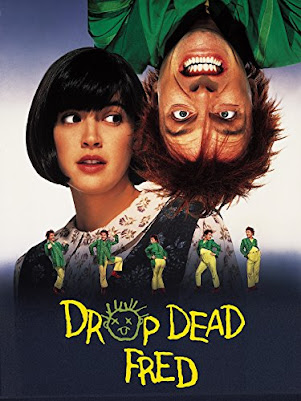
Drop Dead Fred – I love this 1991 romp starring meek wife Phoebe Cates (Fast Time at Ridgemont High), her domineering mother Marsha Mason (The Goodbye Girl), and the titular imaginary friend Rik Mayall (Blackadder). Despite the unevenness between the mature break up drama and the juvenile flashbacks, there's a certain innocence to the vignettes and individual character moments – chopped off hair, paint doused old ladies, shampooed carpet perils and all. Not to mention smoking while power walking, houseboat sinking, office dalliances ruined scene stealer Carrie Fisher (Star Wars) amid the doubly nostalgic nineties phone booths, dowdy styles, little girl pink and white bedrooms, and a vintage jack in the box. Between the overbearing mother, a philandering husband, fires, getting fired, and everything else going wrong, we understand the withdraw into a fantasy childhood world. Going without the stars early was not an option, but we should have seen all the past at the start rather than utilizing flashbacks that disrupt the momentum. Fortunately, the backstory endears the over the top rowdy as viewers see the wonder lost as little girls are made to bottle up their zest – disrupting the ability to face reality as an adult. Why confront the trauma or numb it all with pills when acting like a child is such devious grown up fun? The who's actually doing what wink at the destructive imaginary antics wraps the manifested problems and emotionally abusive relationships in cozy comforts. Sound effects and graphics are dated and some fashions garish, but the now relatively tame gross out humor is delicious fun thanks to Mayall's zingers and squashed head in the refrigerator. Fred's impish support alleviates the youth crying for help as parents punish instead of taking a look at themselves. Rather than mental healthcare, we neutralize our pain with destructive vices because as grown ups with responsibilities, we can't retreat into hi jinks without consequences every time we get scared. Adults may find the surreal dream sequence resolution either profound or preposterous, and kids will probably tune out on the mud pie mischief thanks to the underlying dark themes so it's tough to know who the audience is for this facing our fears lesson. Despite the pacing flaws, one must appreciate the rowdy as well as the tender, and this lighthearted protectiveness is more enjoyable than today's dark psychological trends. Ultimately, this is about regaining joy and cutting the crap out of one's life. “Be gone, Evil One!”


Empire Records – Everyday is Rex Manning day thanks to crop tops, short skirts, combat boots, head shavings, compact discs, and Gin Blossoms in this 1995 steeped slice of life. Liv Tyler (Lord of the Rings), Renee Zellwegger (Chicago), and Robin Tunney (The Craft) carry the independent record store versus corporate buyouts and damn the man anarchy as Anthony LaPaglia (Without a Trace), Debi Mazar (Younger), Ethan Embry (Can't Hardly Wait), Rory Cochrane (Dazed and Confused), and Maxwell Caulfield (Grease 2) clash over stolen receipts, has beens, shoplifting, and vinyl legacy. The stolen money and save the store underdog tangible isn't as important as the layered themes, cries for help, and pressure for these teens to get their messy lives together when everything after high school is still up in the air. Overachievers and drugs, virgin and bad girl reputations, slackers or skaters – it's easier to turn up the music and dance but fake funerals allow the ensemble to voice their fears. Unhappy coworkers become friends having a good time in this day where nothing happens yet so much happens. Cool sunglasses, drums, and motorcycles accent what looks like a neat place to work with colorful set design, store fronts, stairs, and rooftop spaces for visual interest, angst, and self-expression. Old credit card imprinters, cassettes, and record listening booths contrast then contemporary character styles – identifiable but unique rather than typical cheerleader, jock, geek. While of its time, the well chosen soundtrack reflects the characters and events in almost musical fashion, however editing and deleted or missing scenes are apparent as people and encounters seem important then go unexplained. The ending is typical with a silly rooftop concert that makes everything fine when throughout the film each of the characters expressly shout that nothing is actually fine. If you didn't see this then the tone may be dated or even downright wacky for viewers who weren't born yet. Thankfully for those that remember the nineties promise with CD changers, music videos, askew posters, and existential quarters glued to the floor as art this is a perfect time capsule. “Say No More (Mon Amour)” is also better than the drivel today, fight me.


Summer School – From the Texas Chainsaw Massacre classroom viewing and the sofa on fire party to the test drive crashes and teens drinking on the beach – there is quite a lot in this 1987 comedy starring Mark Harmon (NCIS), Courtney Thorne-Smith (Melrose Place), and Kirstie Alley (Cheers) that would not fly today. Director Carl Reiner (The Jerk) and writer Jeff Franklin (Full House) populate the eponymous course with slackers, a beach bum gym teacher, goofy field trips, saucy foreign exchange students, strip clubs, study bribes, surf boards, cute dogs, and more horror pranks. Shoulder pads, beach gear, and one earring styles maximize the eighties charm amid going to jail on roller skates, swearing, gestures, and raunchy innuendo both now tame yet then surprising for a PG-13 picture. Roll call introductions, lighthearted tunes, and peppy montages assure everyone has their absurd good fun as punchlines, visual gags, food, oral fixations, and performances accentuate the comedy rather than rely on today's gross out extremes. Serious issues such as family troubles, teacher romance, student crushes, teen pregnancy, toxic behaviors, dyslexia, and reaching for the youths the system lets fall through the cracks are touched upon as the kids themselves believe they are failures when they are capable of much more. Grades are not a reflection of one's potential, but not every educator is in it for the students and the underachievers must make strides against the smug jerks in their way. One can't expect the premise to make sense here – the number of students changes throughout, the big test doesn't mean much, and the parents are pleased with this education experience despite all the mayhem and the still failing grades. Fortunately, there's a certain then innocence and comfort to the ease and excuses. Nostalgic audiences can zone out and enjoy the preposterous or spot another goofy quip with each re-watch. Personally, I think of that “Tension-breaker. Had to be done.” scream often these days.


09 March 2018

Science Fiction and Action Thrillers!


Science Fiction and Action Thrillers!
by Kristin Battestella


These new and old, film or long form science fiction and action spectacles with memorable stars are a hodgepodge of space ships, disasters, aliens, robots, and more. Something for everyone!


Earthquake – Despite the older phones, analog equipment, suave seventies corduroy, tacky wallpaper, and patterns everywhere; we can see the genre influence of this star packed 1974 disaster yarn written by Mario Puzo (The Godfather) on films like Independence Day. The titular rumblings begin early for engineer Charlton Heston (Planet of the Apes), his cranky wife Ava Gardner (Mogambo), and an Afro sporting Victoria Principal (Dallas) as terse conversations introduce the drama. Higher up cops chew out George Kennedy (also of that other disaster flick Airport '77), and no one believes the scientist who thinks the big quake is imminent even amid fleeing animals, reservoir perils, and landslide action. Yes, the actress reading flirtatious script lines meta falls flat. The age difference between rough Chuck and ingenue Genevieve Bujold (Anne of a Thousand Days) is ridiculous – almost as bad as his father-in-law cum boss Lorne Greene (Battlestar Galactica) looking as old as his onscreen daughter Ava. However, there are enough seismic sciences, probability curves, and scale debates alongside a whiff of social commentary regarding ignored Mexican victims, so-called religious freaks, negative treatment of soldiers, homophobic slurs, and racist insults. Red tape at the top contributes to the situation with officials worried over public panic and implausible evacuations, but certain action is laughable, too – be it the trailer full of cows going off the overpass or crumbling models of famous buildings and hello faux splatter in that disturbing elevator mishap. Green screens and matte backgrounds are at times obvious, yet most of the effects actually aren't bad, with green smoke and orange fire creating eerie glows. Of course, these two hours will be slow for those expecting the disaster quickly, and the story does stall with inadvertently over the top seriousness and too many characters that should have been combined cluttering what's important before the tolling bells, trembling bridges, falling bricks, smashed cars, and buckling highways. It's interesting how these crisis scenes are also done sans dialogue – there's no news coverage, authorities are non-existent, and some of our disparate people never even meet. This starts with detail but becomes haphazard, bouncing from scene to scene with dam releases, sparking wires, and seemingly significant players disappearing in the chaos. Ironically, today such movies are one visual sensation after another desensitizing spectacle for the entire ninety minutes! Aftershocks damage supposedly safe buildings where the rescued gather, crowds remain in peril, the military is portrayed as crazy, and one anonymous kid with a transistor radio tells us this disaster is the worst ever. Sadly, we've seen far worse than this fiction, and shootout injuries, looting assaults, dangling scaffolding, and claustrophobic tunnels may be upsetting for some younger audiences. The big watery consequence should probably have happened earlier, gas and fire damage are unrealistically minor, and this is both of its time in lacking a narrative resolution yet progressive with some seventies cynicism and a few dramatic surprises. We love it when our stars rescue puppies, and only Charlton Heston can save the day – because he must rescue not one, but two babes. After all, an earthquake is the perfect time to break up, and most importantly in a crisis, that megaphone is announcing where the hot coffee is available.


Didn't Think It Was *That* Bad


Saturn 3 – Underground Titan bases, a twenty-two day eclipse, cut off communication, and evil robots spell doom for Kirk Douglas (The Man from Snowy River), Farrah Fawcett (Charlie's Angels), and Harvey Keitel (Bugsy) in this 1980 British tale with not terrible but obviously influenced by Star Wars celestial illustrations and space graphics. That futuristic faux serious marching, foreboding mission preparation, and emergency radio chatter opening, however, is all unnecessary hype. Rather than showing a murderer switching places with the real pilot over a failed psych test, just begin with the supply run landing at this sheltered assignment and leave the ulterior intentions unknown. The duo here has chosen this cool but behind schedule hydroponics lab with its artificially blue tinted water and green lit plants, and of course the talk of never having been to earth or how nice it would be to go outside and breathe real air happens in the shower! Such sheer robes, nudity, sex, and drug experimentation stir the tense dynamic between this older gent, younger woman, and new younger man amid ominous device sounds and spying on the monitors by all parties. Weird scene transitions and epic music at the wrong times under estimate the mature audience and don't need to try so hard when our newcomer is unmistakably blunt about his desire; jacking in interfaces, blasting hoses, and sliding the giant head in and out of the robot cavity make for better symbolism. He's building this demigod robot with brain tissue and advanced connections to replace half the couple – who overhear this obsolete talk and fear the end of their idyllic. Can they toss their problems out the airlock or will kindness be their undoing? Scary injuries, creepy surgeries, and dogs in peril are well-filmed tense when the cast is allowed to stew, argue over who has the more violent tendencies, or foolishly think one of them can control such intelligent machinery. Again, knowing the new guy and his toy are trigger happy takes away some of the fun when playing chess with the machine leads to something more sinister, but our sassy robot with the laughably tiny little head and giant oversize body takes charge with a creepy machine re-assembly. References to Hector, Troy, and the original fight over a woman accent the man versus man, man versus nature, and man versus himself conflicts while a touch of blood and gore add danger. Did we need the robot terror on top of the chilling human story? The narrative unevenly wastes time with the commonplace machine chase instead of dealing with the personal elements, meandering with random running down the hallways and under the deck grate attacks that ironically give Aliens inspiration. Editing or behind the scenes troubles are apparent and an expected twist that should have come much sooner pads the final twenty minutes with spectacle when the taut science fiction triangle is interplay enough. Although its flaws prevent this from being a totally well told SF parable, the juicy defeat of man at his own science remains late night entertainment.


Should Have Been Better


The Kettering Incident – Lovely forestry, mysterious lights, hooting owls, mountain fog, and past abductions open this 2016 eight episode Australian series starring Elizabeth Debicki (The Night Manager) before London blackouts, nosebleeds, and creepy phone messages. Journal entries record the hours missing, but security footage captures actions unknown amid strobe sounds, distorted camerawork, and unaware travels to eerie Tasmania. Aurora Australis, frozen birds, and UFO snowglobes in the general store add to the awkward homecoming, bizarre happenings, threatening letters, and small town who is who as local pubs versus bonfire raves reflect generational clashes and radical environmentalists protest the logging industry. Older homes, dusty case files, big computers, and the often down internet create a backwater mood as newspaper clippings, retro tunes, and decades old unsolved crimes lead to more abductions, hidden drugs, crooked cops, and under the table deals. Thunderstorms, reflections, ruins on the ridge, hazy dreams, and surreal colors askew nature while affairs, police egos, power outages, strange science, and cancer diagnoses divide the community. Cover ups, stonewalled investigations, phantom blood samples, and tense family relations interfere as mysterious rashes spread and moss grows indoors. Dogs turn on their owners, rare plants bloom, and high radiation counts contaminate fish, but ghostly static on the radio, chainsaw mishaps, night vision goggles, and geophysicist readings uncover catatonics and whispers of who knows what. Desperate men – accustomed to ruling over disposable daughters and drinking mothers or bar maids useful only for hitting, cooking, or sex – take matters into their own hands despite electromagnetic fears, screams in the woods, poison bogs, altered blood types, and multiple moons. From the ill but edgy cops and doctors to missing girls and suspicious sleepy inlets, unfortunately, this has a lot of cliches often seen in commonwealth television. Lacking procedures, tainted crimes scenes, and cryptic doctors bend for plot conveniences, and our lead isn't piecing the case together but preposterously meddling as dramatic effect requires. While it's pleasing to see strung out and realistic looking people; no one asks how everything is interconnected nor shares information. If they worked together, the mystery would be solved in six episodes. Instead, Lost style montages, red herrings, and tangents pad the weird occurrences, delaying important clues and stretching disbelief as smart police and scientists are made stupid with unaccounted for people sans alibis, fingerprint clues, and stolen evidence ignored. This isn't billed as science fiction, so the straying focus and point of view changes become window dressing as Antarctic connections and Dyatlov Pass similarities are tossed in with unnecessary sex scenes. Apparently, people won't share information unless they have sex, the hermit in the woods is never questioned, and established information is literally forgotten until the final hour. Dramatic asylum cliffhangers are easily resolved, and never held suspects unravel the intriguing underground evidence, craters, stolen weapons, and bio tech company bribes. Voiceovers resolve actions and revelations that were obvious all along – telling events rather than having the lead discover anything for herself. Maybe the lack of communication is part of the moral here, but the unlikable dumbing down and bait and switch genres take on too much flab. Empty shocks meant to sustain weekly viewing are better to binge marathon, for this doesn't know who its audience is and therefore underestimates not one, but two potential viewing groups in anticipation of a second season to explain everything. Those expecting a crime thriller will find the science fiction outcome annoying, and today's sci-fi audiences will be irritated at the slow potboiler pace not putting the fantastic at the forefront.


A Disappointing Skip


Star Wars: The Last Jedi – The themes, pacing, and characters for this 2017 Episode VIII from writer and director Rian Johnson (Looper) are very disjointed. John Boyega, newcomer Kelly Marie Tran, and Benico del Toro (The Wolfman) are lost in an irrelevant subplot of intergalactic casino races, contrived theft, and star destroyer stealth attacks made useless by The Resistance's slow crawl through space. Domhnall Gleeson's cranky General Hux doesn't so much pick off the fleet as they merely sacrifice themselves one by one with dumb counter attacks while purple haired Laura Dern (Jurassic Park) is wasted and Oscar Isaac does little but redundantly repeat the elder ladies' jejune wisdoms. There were several moments to fittingly send off the late Carrie Fisher, but instead, The Force goes even further beyond what we ever thought its mystical capabilities were. Daisy Ridley's Rey and the utterly lame Kylo Ren play telepathic footsie for most of the movie – I really hope they aren't related – while poor Mark Hamill's Luke Skywalker is sort of there...maybe. Too many characters old and new enter or exit without deserving time. For all the female fronting, the cardboard women tropes are obviously written by a man and don't seem like characters in their own right. Each is defined by what the men around them need – sacrificing, motherly, crushes, babes blowing on dice, or alien maids. Even Leia is repeatedly stressed as Luke's sister being her most important value. Gwendoline Christie's tough Captain Phasma is easily defeated in one scene, and CGI covered Lupita Nyong'o is reduced to a hologram call. More silly animated animals, easily dismissed villains, and lengthy purely for the spectacle sequences litter the screen while a major female character's narrow escape from an exploding ship on a stolen shuttle is told by another male character rather than shown. Although rebel numbers dwindle constantly, there are somehow plenty of people to keep fighting while the overlong two and a half hours plus battles over whether the space action or Jedi plot is more important. Despite so many should be enjoyable people and dazzling designs, this is incredibly busy for being so boring. It's also disappointing, even angering, to hear there is no overall trilogy sequel plan and that each director can do his own thing – leaving these films to meander as long as it pleases Disney to manipulate Star Wars fans. In low budget horror, problems arise when one writer/director has no second checks or balances, and this makes for expensive, glaring issues here amid lifted elements of Empire and Return of the Jedi as Last tries to be a personal middle a la The Two Towers but grasps for air rather than giving us anything to hold. I'm still nicknaming VI as just Jedi and shortening this to Last – as in the last Star Wars movie I'll see at the box office for the foreseeable future. The rehashed but recognizably fun Episode VII launched something new and Rogue One came full circle where we never knew possible. I'm still thinking of this one, but for all the wrong reasons, and I wish we just had The Thrawn trilogy as films instead.


16 November 2007

The 'burbs

The 'Burbs
The ‘burbs Still Funny Today
By Kristin Battestella

Who hasn’t seen The ‘burbs, honestly? Tom Hanks’ 1989 spooky comedy has laughs, star power, and a few scares to boot. Fifteen years after its debut, The ‘burbs continues to provide a tongue in cheek look at the horrors or suburbia, and it’s entertaining, too. Unassuming Ray Peterson (Hanks) suspects his new neighbors of foul play. The Klopeks don’t mow their lawn and stay out of sight. When fellow neighbor Walter (Gale Gordon) goes missing, neighbors Art (Rick Duccommun) and Rumsfield (Bruce Dern) unite with Rain in investigating the seemingly sinister Klopeks. Of course, Ray’s wife Carol (Carrie Fisher) just wants a nice simple vacation.

Hanks is perfect as everyman Ray. Younger fans who know Hanks more for his recent dramatic roles and Oscar winning performances (Philadelphia, Forrest Gump) will delight in his subtle comedy. Bosom Buddies fans, naturally, will love more from Hanks early comic genius.Although Hanks is clearly the star of the film, the supporting cast completes The ‘burbs. Without his fellow Corey Haim, Corey Feldman stands strong as Ricky-the punk of the block who aides the men in their quest. His asides and commentary of events as they unfold are still hysterical after many years and many viewings-partly because of Feldman’s delivery, but also due to the sharp writing of Dana Olsen (Hit later with George of the Jungle, missed with Inspector Gadget.)Post Star Wars Carrie Fisher plays the sardonic straight well with Hanks. As a child, I thought the public’s impression of Fisher was incorrect. (My hair was long enough to twist into those God awful buns mind you.) Perhaps, not as successful as fellow Star Wars alum Harrison Ford, Fisher still worked in film through the nineties, and her performance here showcases her comedic range. In recent years, Fisher has become a best selling author and script doctor.

Bruce Dern has several perfect physical comedy moments. His military toys are unique props, as is his young and prissy wife Bonnie (Wendy Schaal). The scene where the two women take control and knock on the Klopek’s door is just right, as is our long awaited introduction to the Klopeks. The brownies; the pretty girl that “came vit the frame”; the sardines and pretzels-all classic touches that will have you watching The ‘burbs again and again.Henry Gibson, Brother Theodore, and Courtney Gains play the spooky, un-neighborly Klopeks to a T. Although I’ve seen them all in other films, I always think, “Oh, He’s in The ‘burbs!” Their dry humor, innocent send ups, and final come to blows with Ray, Art, and Rumsfield never get old.

As much praise as I have for The’burbs, the film is not without its faults. The clothing and sets are mid eighties textbook-bad hair, wallpaper, and all. Ray’s dream sequence has grown tiresome in recent years, and some of Art’s dialogue I can do without. Modern audiences nursed on special effects might also find The ‘burbs lack of major effects upsetting. For The ‘burbs, it’s not in the time, the place, or the effects. The movie’s subtleties and veiled commentary on suburban life are its strengths.Director Joe Dante’s message that crazy neighbors are everywhere-especially in the seemingly blissful, perfectly mowed suburbs-is unfortunately not that far from the truth. In my own South Jersey community alone crime is on the rise. Today, some upstart filmmaker would tackle The ‘burbs as a serious horror film with all the blood and gore our desensitized minds can take. Dante here smartly made The ‘burbs an all out comedy-even though it does have a few genuine spooky moments. Sure I saw it as a kid, but Ray’s early glimpses of his crazy neighbors gave me the creeps. The bees nest, the ambiguous trash scene, even the 666 address of the Klopeks and the infamous femur bone.

Swift attention to detail keeps The ‘burbs smarter and more intelligent that today’s sophomoric send ups. Simple uses of music cues, lightning effects, and dark camera shots keep this seemingly inept comedy fresh and in audience’s mind long after your last viewing.The ‘burbs is a rare horror comedy (Horrody?) that the entire family can still enjoy and continue to enjoy for years to come. The presentation works on all levels-script, acting, direction-and is an extremely affordable DVD. A quality film that won’t break the bank, food for thought, and a few jumps in your chair, who knew these gems could be found in a Corey Feldman movie?